
Free written scope consultation - allowances, timeline, and change-order rules on paper before a single trade is scheduled
Belgard Home Additions & ADU: The Long Beach Owner’s Guide
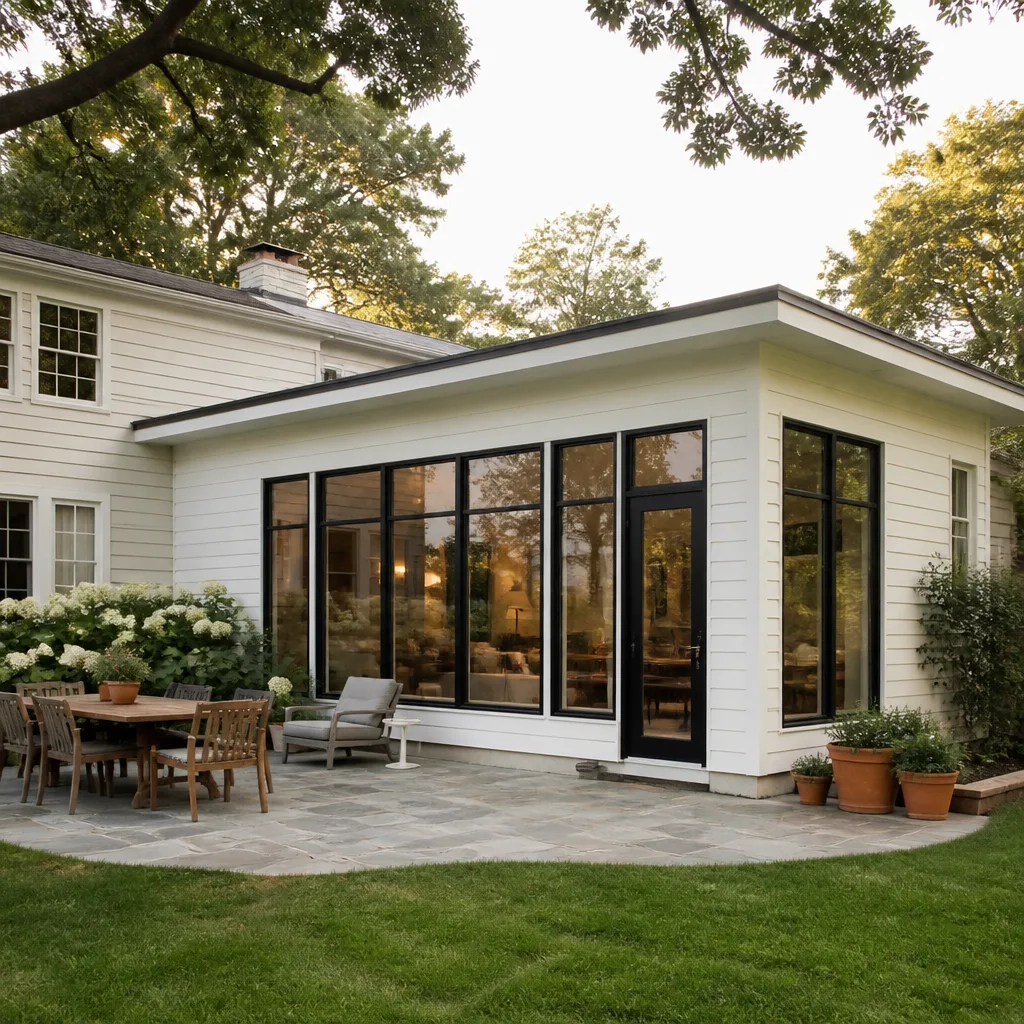
Home additions and ADU construction in Long Beach typically run $45,000 to $130,000 for a full addition, and $90,000 to $220,000 for a detached ADU built to current California code. We install Belgard-compatible hardscape and exterior materials as part of these projects, and the most common “part failure” we see isn’t a single component at all – it’s the older patio or walkway pavers under a new addition’s footprint that shift, heave, or pool water once framing begins. You’ll usually notice it as a low spot near the foundation line, or a Belgard paver edge that has pulled away from the house after the first winter rain.
If you have a Belgard retaining wall block, paver, or edge restraint that has cracked or separated and you’re planning an addition or ADU around it, this page tells you exactly what to check, what it costs to make right, and whether you need us on site at all. We’re an independent remodeling contractor, not a Belgard affiliate – but we work with their product lines every week in Long Beach yards.
Which Belgard Models This Applies To
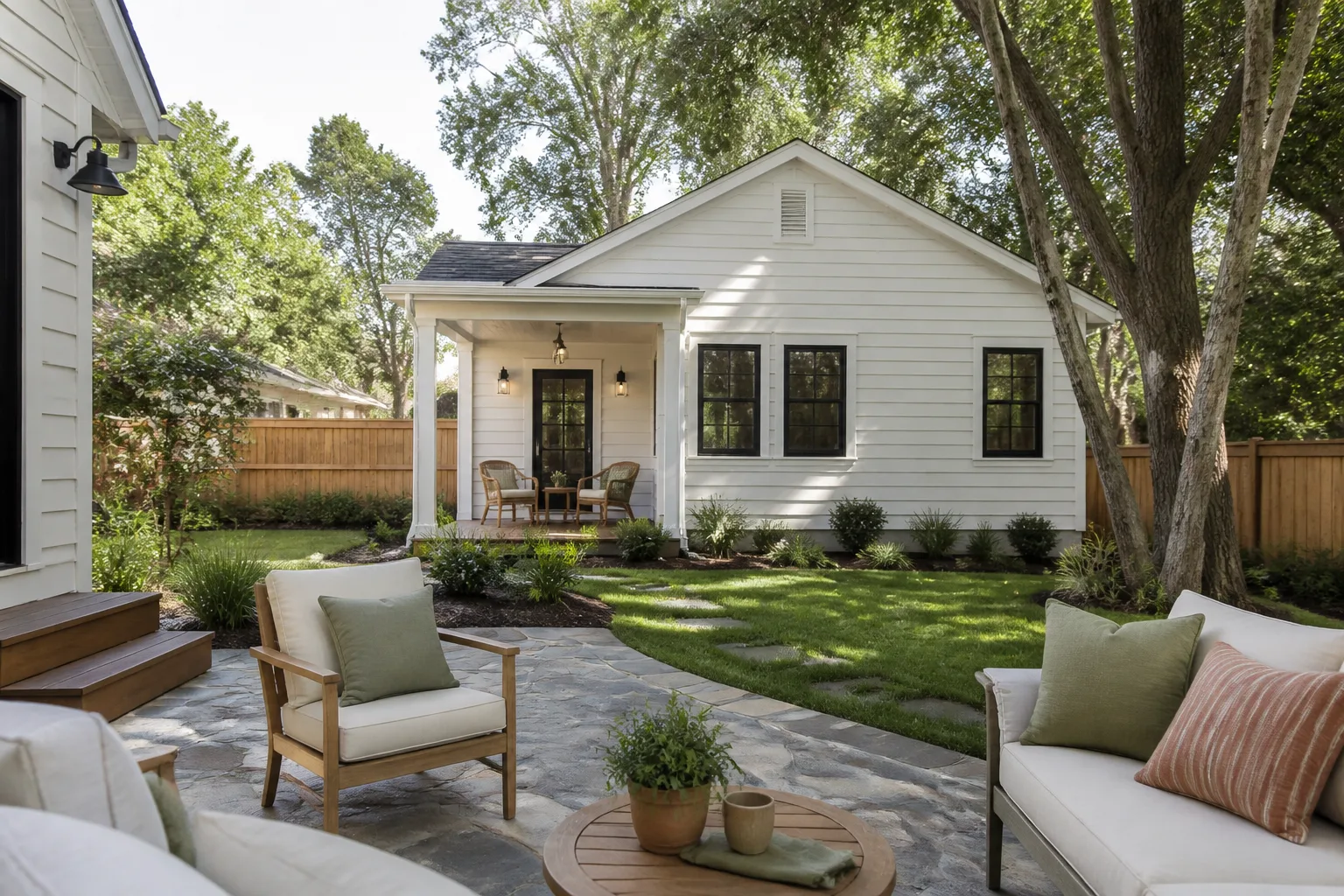
Belgard manufactures several paver and wall lines, and the compatibility question matters more than most homeowners expect. The three families we encounter most in Long Beach additions and ADU projects are the Belgard Catalina pavers (smooth, modular, commonly used for patios), the Belgard Dublin line (tumbled, older installs), and the Belgard BelAir wall block (split-face, used for low retaining walls and planter borders).
Here’s the gotcha: Belgard changes paver dimensions between generations of the same product name. A Dublin paver from a 2012 install is not always the same thickness as a current Dublin paver. If your addition’s foundation ties into an existing Belgard patio, we measure the actual paver – not just the name on the old invoice – before matching a replacement. Edge restraints fail differently too. Plastic snap-edge from a decade ago is brittle now; we swap it for aluminum where the new concrete meets the paving, because Long Beach’s clay soil moves with winter moisture and needs a stiffer hold. For OEM versus aftermarket: Belgard pavers are proprietary, so we source genuine Belgard for visible areas. For subsurface material like base rock and geotextile, a quality equivalent does the same job at a lower line item, and we’ll show you both numbers in the written quote.
Styles & brands we work with






Signs Your Belgard Home Additions & ADU Is Failing
- Pavers sinking near the existing slab or foundation. This usually means the base material has washed out from a downspout or irrigation leak. The paver itself is fine; the substrate is gone. We see it often in Long Beach neighborhoods with older clay soil, like Belmont Shore and Bluff Park.
- Cracked Belgard wall blocks along a planter or low wall. Tree roots and poor drainage behind the wall push the block face forward until it snaps. A single cracked block is usually a drainage fix plus one replacement block. A whole leaning section means the wall was built without a proper base.
- Edge restraint pulling away from the house. This shows up after a wet winter when the ground swells and contracts. The restraint fails gradually, leaving a gap at the perimeter of the pave. It signals that any new addition’s foundation should be isolated from the old patio with an expansion joint.
- Water pooling on a Belgard patio that used to drain. Pavers don’t fail; grades do. A shifted subgrade changes the slope silently. If you’re adding square footage next to that patio, the new roofline changes how much water hits the surface, which makes the old grade problem visible within the first season.
- Efflorescence or white residue on pavers near a new concrete pour. Different materials cure at different rates. Concrete gives off moisture while it cures, and that moisture pulls salts through the paver surface. It’s cosmetic and fixable, but it tells us the two surfaces were not isolated correctly.
See the difference
 Before
 After
After Before
 After
After Before
 After
AfterReplacement Cost & What’s Included
For the Belgard-specific part of your Long Beach addition or ADU – the patio rebuild, wall reset, or edge replacement under and around the new structure – expect to budget $3,500 to $11,000 depending on square footage and the condition of the base material. Full hardscape replacement against a new ADU foundation runs higher when the old base has to be excavated and rebuilt, which is common in older Long Beach neighborhoods where the original patio was laid on two inches of sand, not the six inches of compacted base current code wants.
Every quote from us is a written, line-item price. You’ll see the paver cost, base material, geotextile, labor hours, and disposal separated out. The price we write down before any work starts is the price on the invoice when we’re done. We include shoe covers and drop cloths on every interior pass, we ask before moving anything on the patio, and we take a photo of the clean-up before the crew leaves. The workmanship is covered under our 365-Day Done Right Promise. If something isn’t done right, we make it right.
DIY or Call Us?
Replacing a single Belgard paver in a spot that gets no traffic is something a careful homeowner can handle with a couple of flat pry bars and a bag of bedding sand. Watch for buried sprinkler lines – Long Beach lots often have lines running just under the patio edge. Cutting pavers to fit a new perimeter against an addition’s foundation is where DIY goes wrong. That edge cut has to be clean and straight because the expansion joint sits against it, and a rough edge lets water through, which lifts the whole section in a few years.
Anything involving a retaining wall block that holds back more than 18 inches of soil should be left alone. A wall that has moved even slightly has stored pressure behind it. We bring the crew, the right base material, and an excavator if needed. Call us at (562) 512-7086 and we’ll walk the site with you and write down exactly what we’d do, and what it would cost.
FAQs
A properly installed Belgard patio in Long Beach lasts 25 to 40 years, though the pavers themselves often outlast the base underneath them. The limiting factor here is the clay soil’s shrink-swell cycle, not the paver quality. The base usually needs rebuild work at the 15 to 20 year mark, especially near the coast where salt air keeps moisture in the ground longer. Call (562) 512-7086 if you suspect your base has shifted – we can confirm it during a free site walk.
A single cracked block can be replaced without rebuilding the wall, and that’s the repair we do most often when the structure is sound. If the block cracked because the wall is leaning, replacing one block is a temporary fix at best. The real repair is addressing the drainage behind the wall, then resetting the affected section. We’ll tell you which situation you have before we touch anything.
A patio edge reset or paver border replacement tied to an addition typically takes two to four working days, including base prep and clean-up. A full patio rebuild in the area between the house and a new ADU usually runs five to seven working days. Weather in Long Beach rarely delays work, but we schedule around your family’s patterns – quiet tools during nap and school hours wherever possible, and the same two-person crew from day one to the last.
We stock common Belgard edge restraints, bedding sand, and base rock on the truck, and we order pavers and wall blocks to match your existing product before we arrive. Because Belgard changes dimensions between production runs, we measure the existing paver first and order from the current matching lot, rather than guess from a name. We also work with KraftMaid, Cambria, and Silestone for the interior side of an addition, so the exterior and interior material selections can be coordinated in one written scope.
Written by Graham Stein, Owner, Elmstead Remodeling Long Beach at Elmstead Remodeling Long Beach, serving Long Beach and nearby areas.


