
Free written scope consultation - allowances, timeline, and change-order rules on paper before a single trade is scheduled
Cover Home Additions & ADU: The Long Beach Owner’s Guide
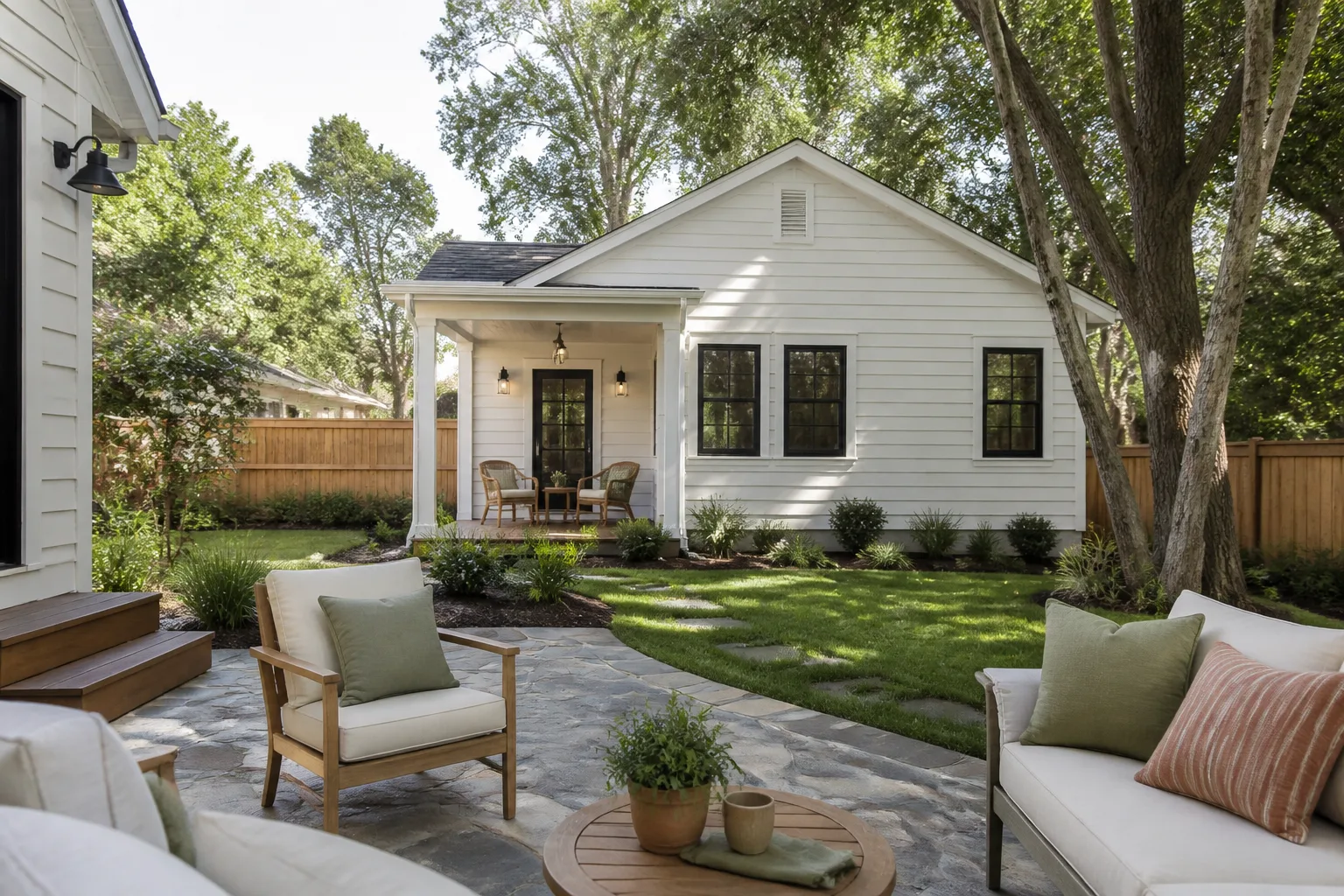
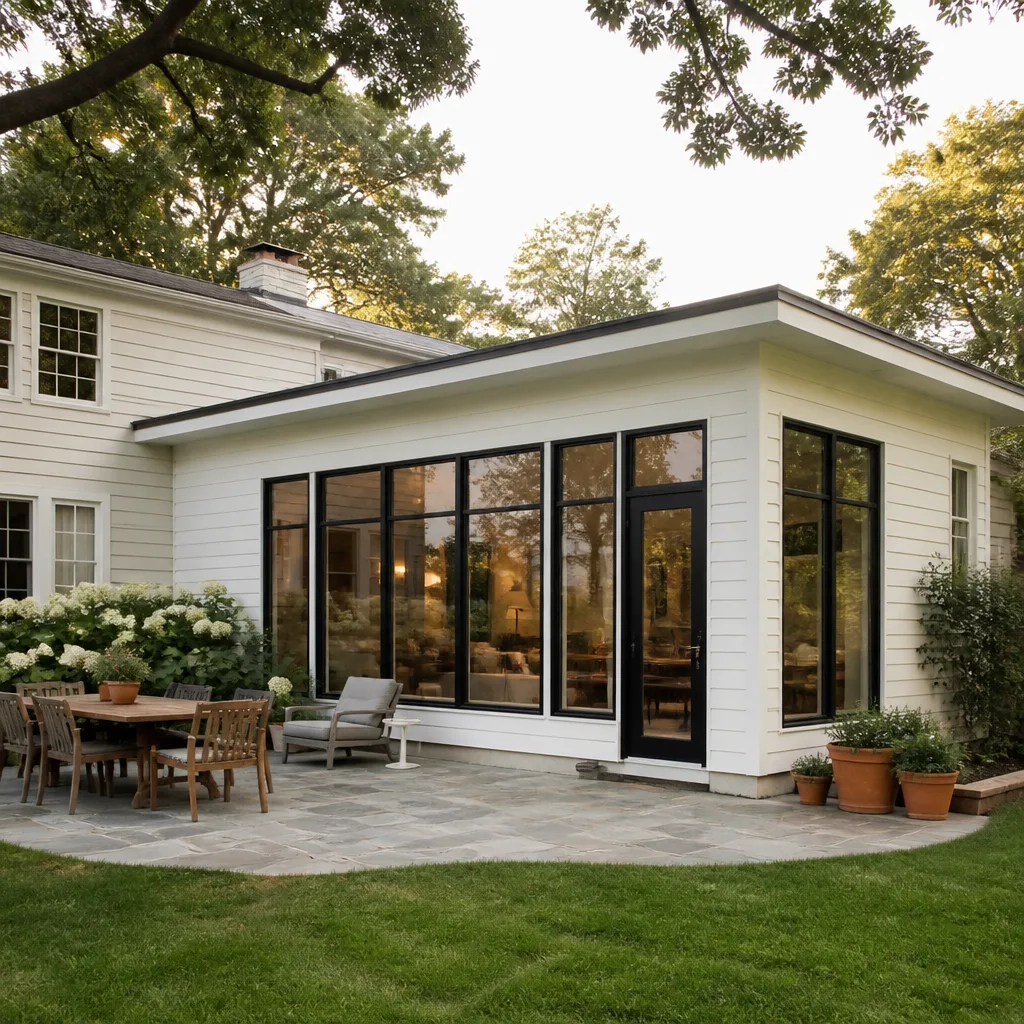
We install full home additions and ADU projects in Long Beach, with a typical installed range of $45,000 to $130,000 for an addition and $90,000 to $220,000 for a detached ADU. The work we take on in this space is whole-project construction, not a part swap, which means we write a line-item price before the first permit application goes in. If you have a Cover product you’re extending, upgrading, or replacing, our team will work with the existing structure and the materials the household uses daily, then hand you a written scope that does not change once we start.
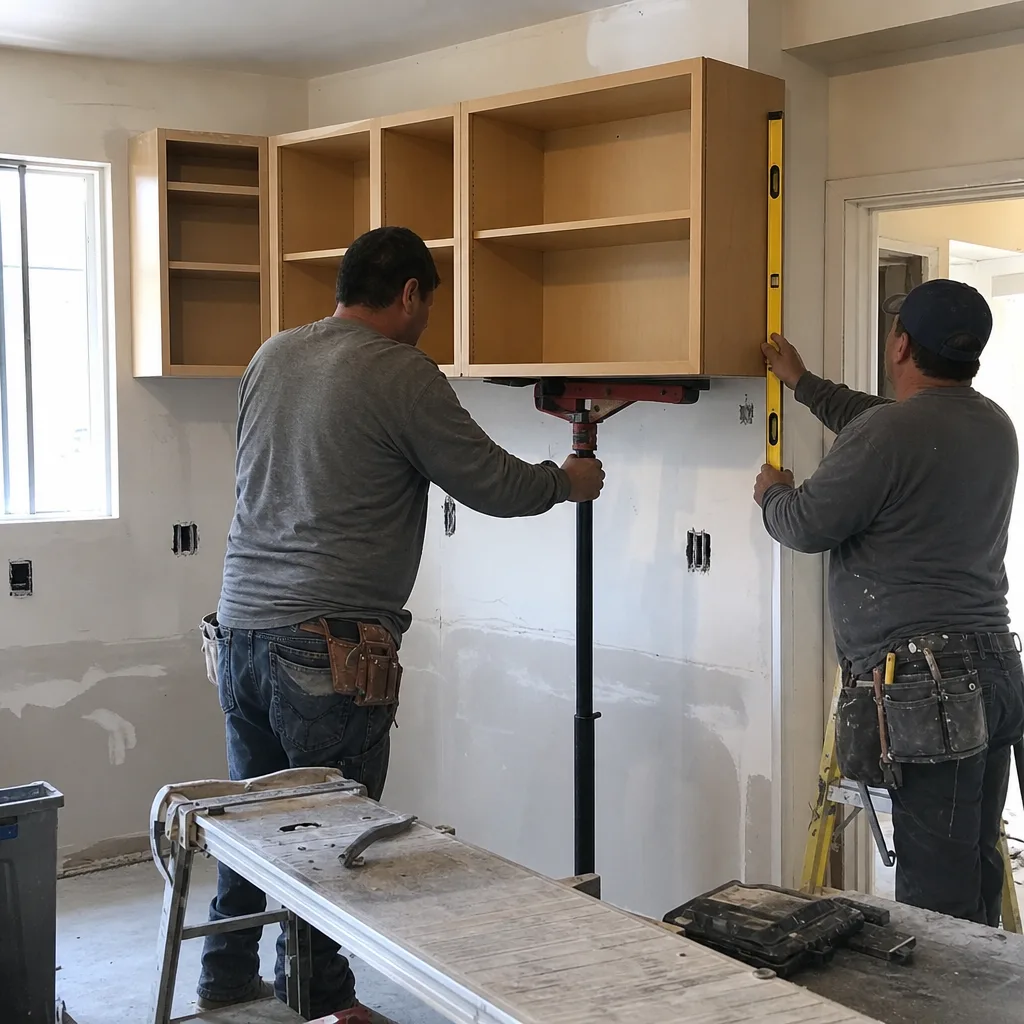
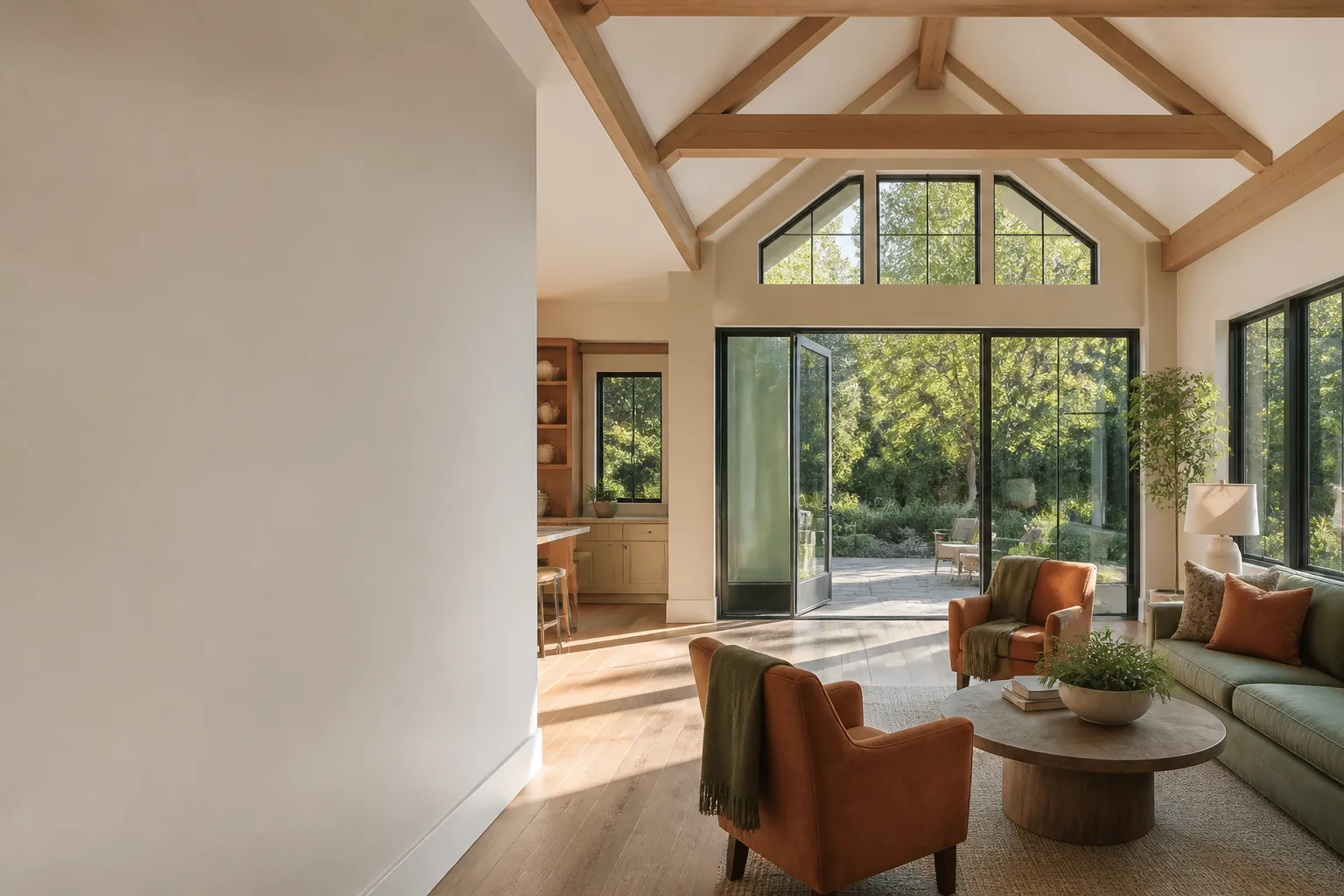
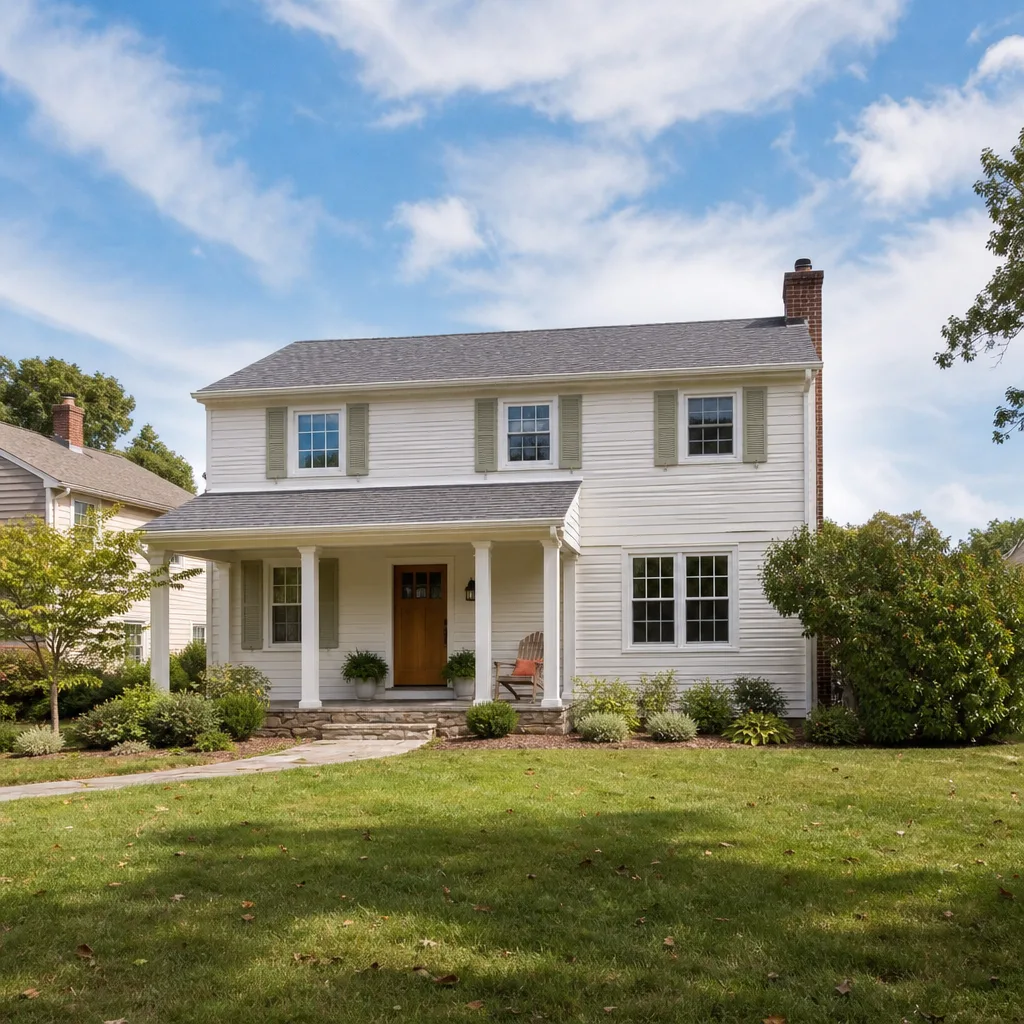
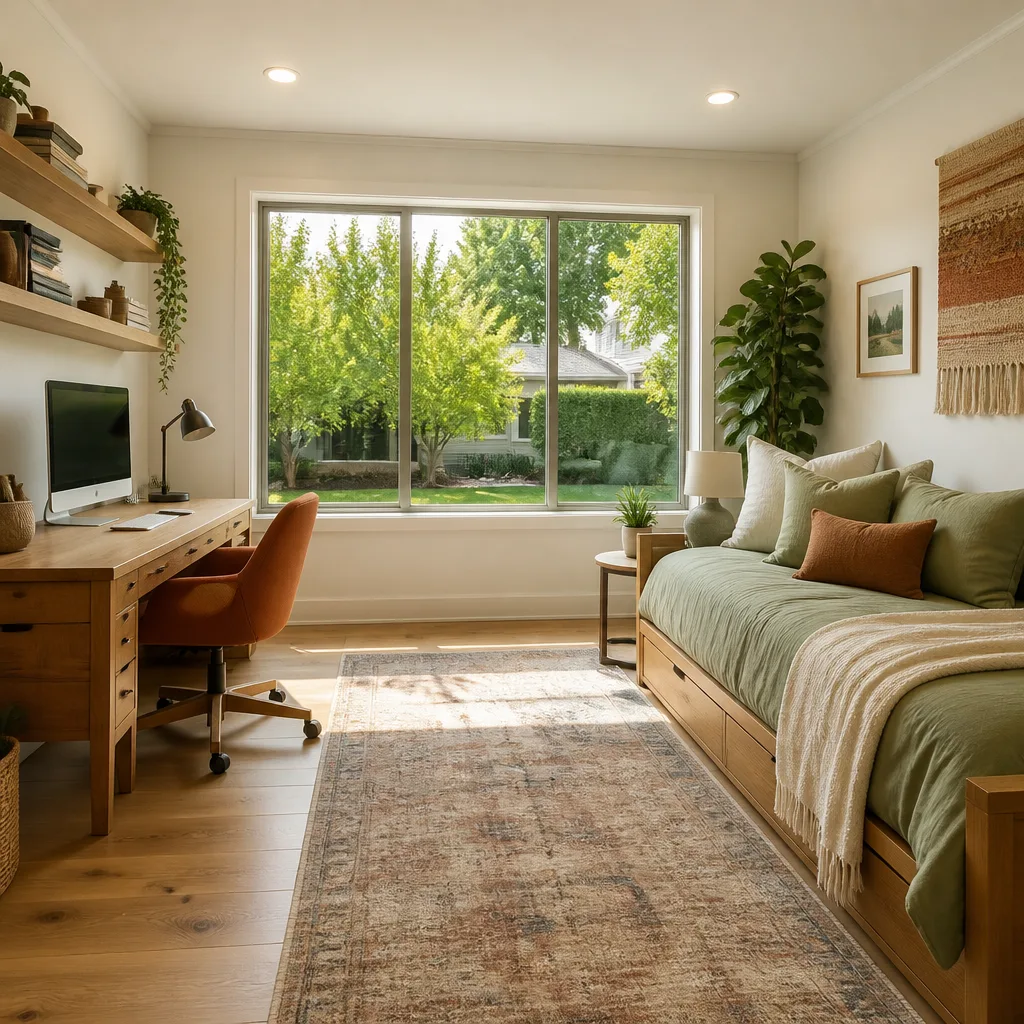
Most Long Beach owners reach out after a space stops working for them. A bedroom feels too small, a home office has taken over the dining room, an aging parent needs a ground-floor suite instead of climbing stairs. The old addition or ADU might still be standing, but it was built to a different code, with a different roofline, and it does not connect to the main house in a way that feels natural. Graham Stein, who leads our Long Beach team, tends to sketch those layouts by hand before quoting, so the first conversation is about what the family actually needs from the square footage, not just what fits on the lot.
Which Cover Models This Applies To
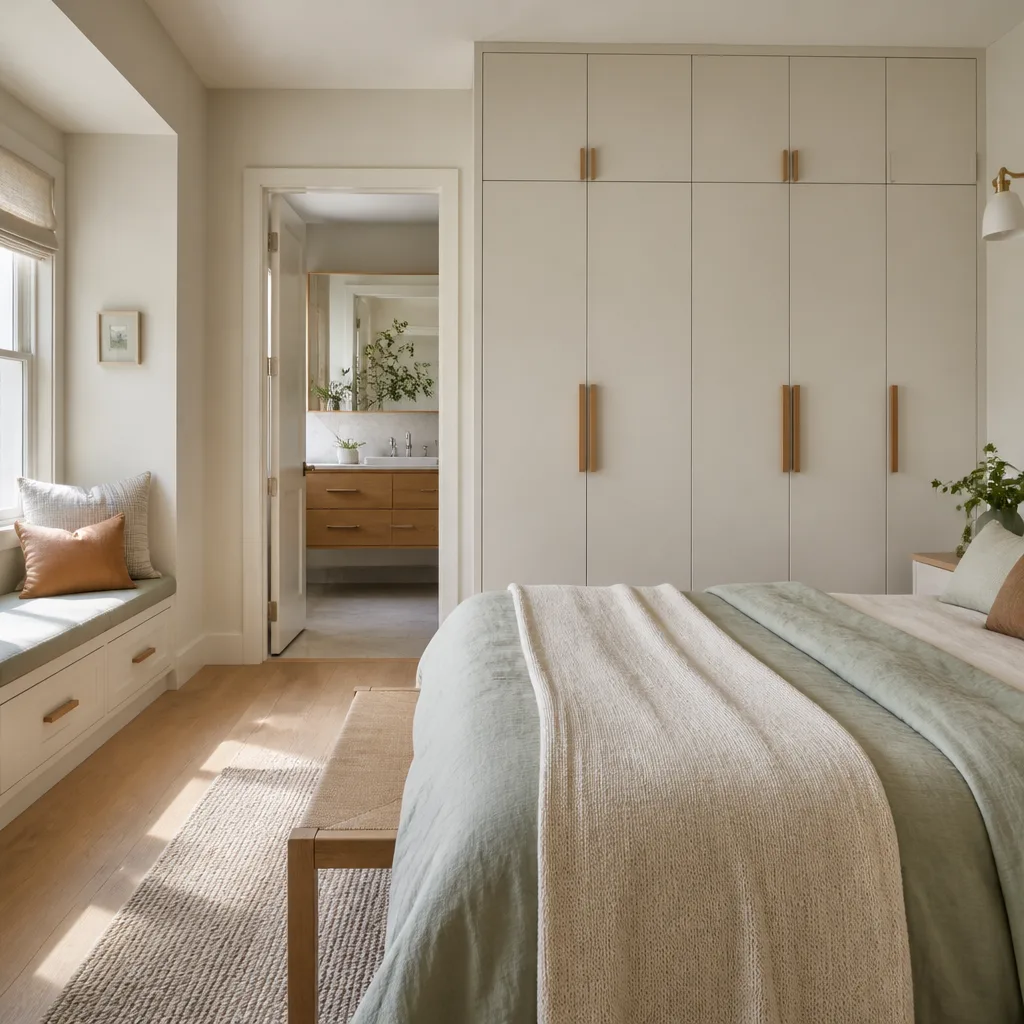
Home additions and ADUs are not single-model products the way a cabinet line or a countertop series is. Cover brand products that intersect with this project type fall into a few categories: storage built-ins, interior surface components, and modular elements that get incorporated into a new room or attached structure. If your addition plan calls for replacing or matching existing Cover components, we need to know the model label or the source of the original purchase. Most Cover products have a small identification sticker inside a drawer, on the back panel, or under the top surface. Bring us a photo of that label and any measurements, and we can tell you whether the part is a matching series, a discontinued version, or something we will need to fabricate or source separately.
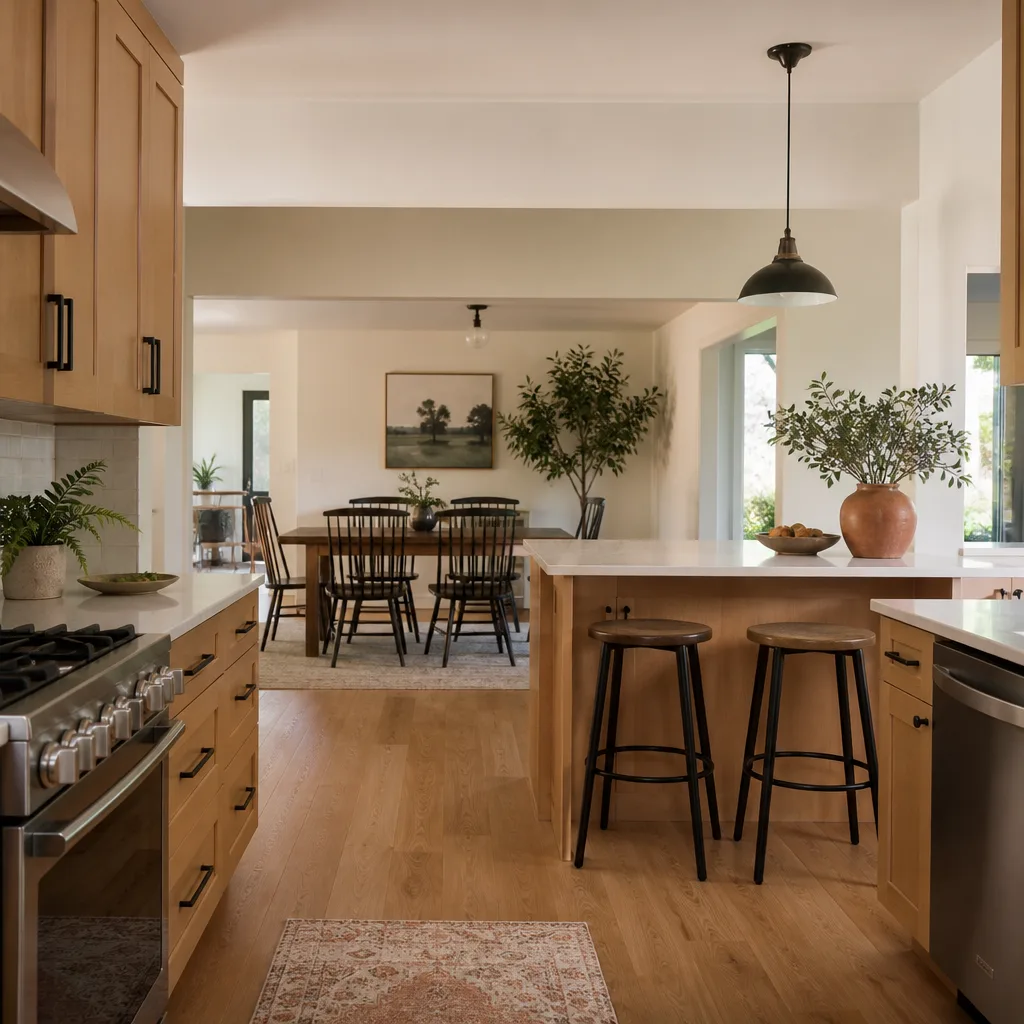
For materials on new additions and ADU builds, our named-brand partners include KraftMaid and Wellborn for cabinetry, Cambria and Silestone for countertops, and Kohler, Moen, and Grohe for fixtures. That matters because each of those manufacturers carries warranties that travel with the finished project. If you have an existing Cover element you want echoed in the new space, we will match the profile and finish as closely as the available product lines allow. Where a true match is not possible, we will tell you before you commit to a design, not after the material is ordered.
Styles & brands we work with






Signs Your Cover Home Additions & ADU Is Failing
An addition or ADU does not fail like a faucet fails. It fades over time, and the signs are usually structural or environmental first. Here is what we see most often in Long Beach homes, especially in older neighborhoods like North Long Beach and the coastal blocks near Alamitos Beach.
- Doors that stick seasonally. In Long Beach, the humidity swings between the marine layer and the dry inland heat move wood and framing. If your addition’s doors only bind in certain weather, the original framing may not have accommodated seasonal movement. This is a fix we address at the rough-opening stage on a rework.
- Floor transitions that have opened up. The joint where the original house meets the addition is the first place that shows settlement. A gap wider than a quarter inch along that line suggests the foundation or the connection detail was not designed for the soil movement common in Long Beach’s liquefaction zones.
- Skylight or roof leaks along the new roofline. Where an addition ties into the existing roof, the flashing and the cricket detail get wrong more than any other part of the job. Rain does not have to be heavy for a slow leak to show on a ceiling.
- ADU walls that stay cold in winter. A detached ADU with insufficient or compressed insulation will never hold comfort. You will see it in the utility bill before you see it on the wall. Our crews inspect the cavity before drywall closes, and we photograph that inspection.
- Permit history that does not match the square footage. If the previous owner converted a garage or added a room without permits, the city of Long Beach may require correction before any new work begins. We handle that conversation with the building department directly.
See the difference
 Before
 After
After Before
 After
After Before
 After
AfterReplacement Cost & What’s Included
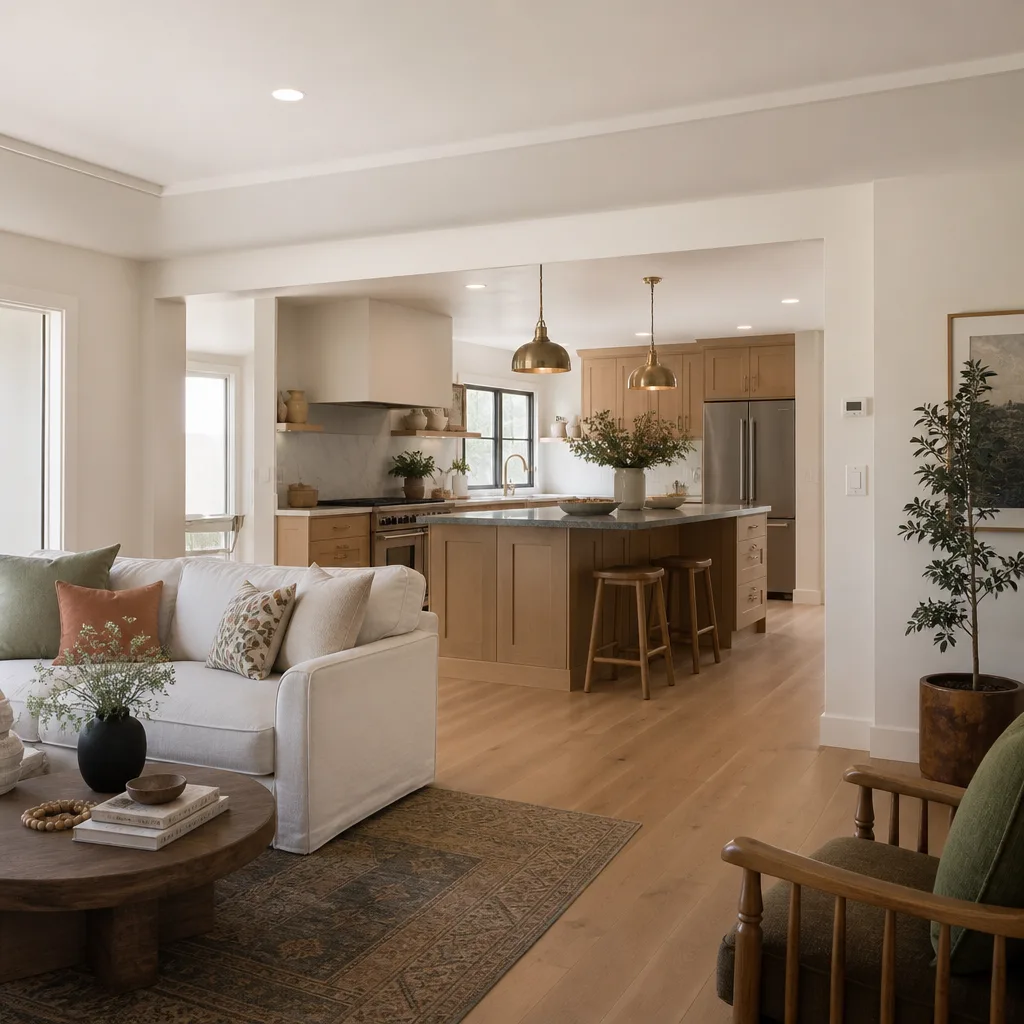
A full home addition in Long Beach runs $45,000 to $130,000 depending on foundation work, roofline complexity, and finish level. A detached ADU runs $90,000 to $220,000 when it includes a kitchen and bath, foundation, utility connections, and the interior finishes. These range from slab-to-roof complete projects, not room refreshments. A garage conversion with no foundation work sits lower, at $30,000 to $80,000, though many Long Beach garage conversions require structural reinforcement and utility upgrades that push the number up.
Every project we quote includes the written price before we start, the permit fees listed as a line item, and no change orders that appear after the crew arrives. You will see the product names on the proposal: the cabinet line, the countertop material, the window series. The price I write down on day one is the price on the invoice when we’re done. That line, from Graham, is not a slogan. It is the rule our whole Long Beach crew works under.
DIY or Call Us?
Home additions and ADU construction are not DIY projects. The structural work, the electrical panel sizing, the gas line runs, the roof connections, and the foundation ties are all regulated by the Long Beach building code, and an unpermitted structure can block a future home sale, a refinance, or an insurance payout. We say this plainly because we have walked into too many homes where a previous owner’s hand-built addition needs to be partially demolished before the safe work can start.
What you can do is gather the information before you call. Pull any existing Cover product labels from the components you want replaced or matched. Measure the lot line setbacks and note any neighbor-facing windows the new structure may affect. And write down what you actually want the space to do: second bath, quiet office, in-law suite. That list gets us to an accurate estimate faster. When you are ready, call (562) 512-7086 and we will schedule a site walk.
FAQs
A properly permitted addition or ADU built with modern materials will last 50 years or more in Long Beach, provided the foundation and roof tie-in details are done correctly for the coastal soil and moisture conditions. The components with the shortest lifespan are the roofing materials, the exterior paint, and the caulked joints, which we address in annual maintenance.
Yes, when the failure is in the flashing, the insulation, the finish surfaces, or a single framing member. If the original work was unpermitted or the structural foundation is compromised, repair often costs more than a clean rebuild because the site conditions have to be corrected before new work can pass inspection. We will always give you the lower-cost option first if it is safe and durable.
A detached ADU in Long Beach typically takes 7 to 14 months, including plan review, permits, utility connections, and final inspection. The range depends on the number of correction cycles at the building department and any underground utility upgrades the property requires.
We stock common hardware and trim profiles on our trucks, but most Cover component replacement is matched and ordered after we confirm the model label. The manufacturers we work with, including KraftMaid, Cambria, and Silestone, also keep product records that help us identify the original series. Call (562) 512-7086 with your label photo, and we will get you an answer.
No. The written price we give you before the work begins is the price on the final invoice. If a hidden condition appears behind a wall, we discuss it with you and get written approval before any additional work proceeds. We do not auto-approve our own change orders.
Yes. Every addition and ADU project goes through the Long Beach building permit process, and we handle the drawings, the submittals, the inspections, and the correction cycles. We do not offer unpermitted work as a cost-saving option.
If your Long Beach property needs an addition, an ADU, or work that connects the two, call (562) 512-7086 for a free estimate. A real person answers the phone, and we will schedule the site visit at a time that works for your family, kids and pets included.
Written by Graham Stein, Owner, Elmstead Remodeling Long Beach at Elmstead Remodeling Long Beach, serving Long Beach and nearby areas.


