
Free written scope consultation - allowances, timeline, and change-order rules on paper before a single trade is scheduled
Boxabl Home Additions & ADU: The Long Beach Owner’s Guide
If you’re planning a Boxabl home addition or accessory dwelling unit on your Long Beach property, the installed project typically runs $45,000 – $130,000 depending on site preparation, utility connections, foundation work, and interior finish level. Elmstead Remodeling Long Beach is an independent general contractor, not affiliated with Boxabl, and we handle the site work, permitting, foundation, utility hookups, and interior finishing that turn a delivered module into a permitted, livable home. Most owners reach out to us after they’ve received their Boxabl module or finalized an order and discovered that the unit alone is only one piece of a much larger construction picture: grading, trenching, concrete pads, sewer lateral connections, and a permitted tie-in to the existing home or detached placement.
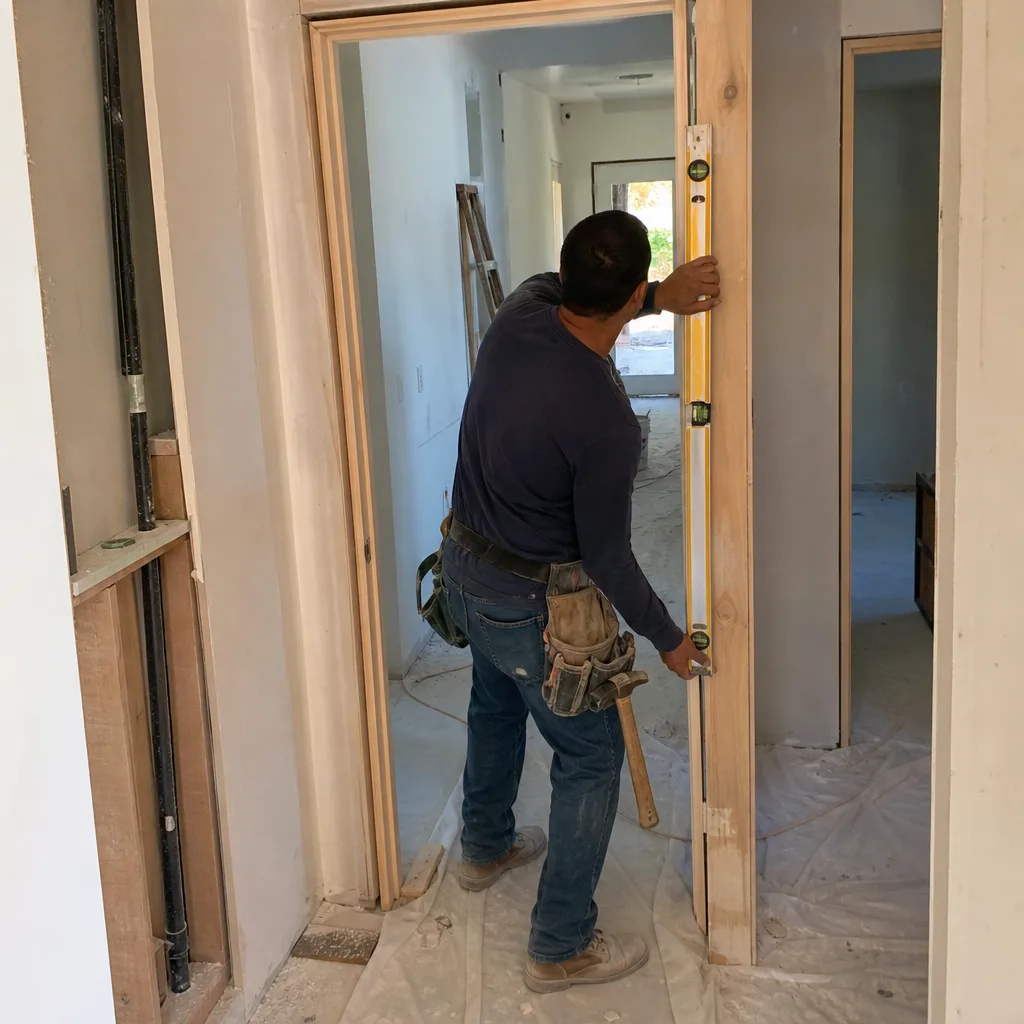
The reality in Long Beach is that a Boxabl unit arrives with specific requirements for foundation tolerances, utility stub locations, and access clearances. We’ve worked on enough of these in neighborhoods like Belmont Shore, Bixby Knolls, and the Zaferia corridor to know what the city’s building department will ask for before a permit is issued. The written price we give you before any work starts includes those permit steps, the crew time, and the named-brand materials going into the finish work.
Which Boxabl Models This Applies To
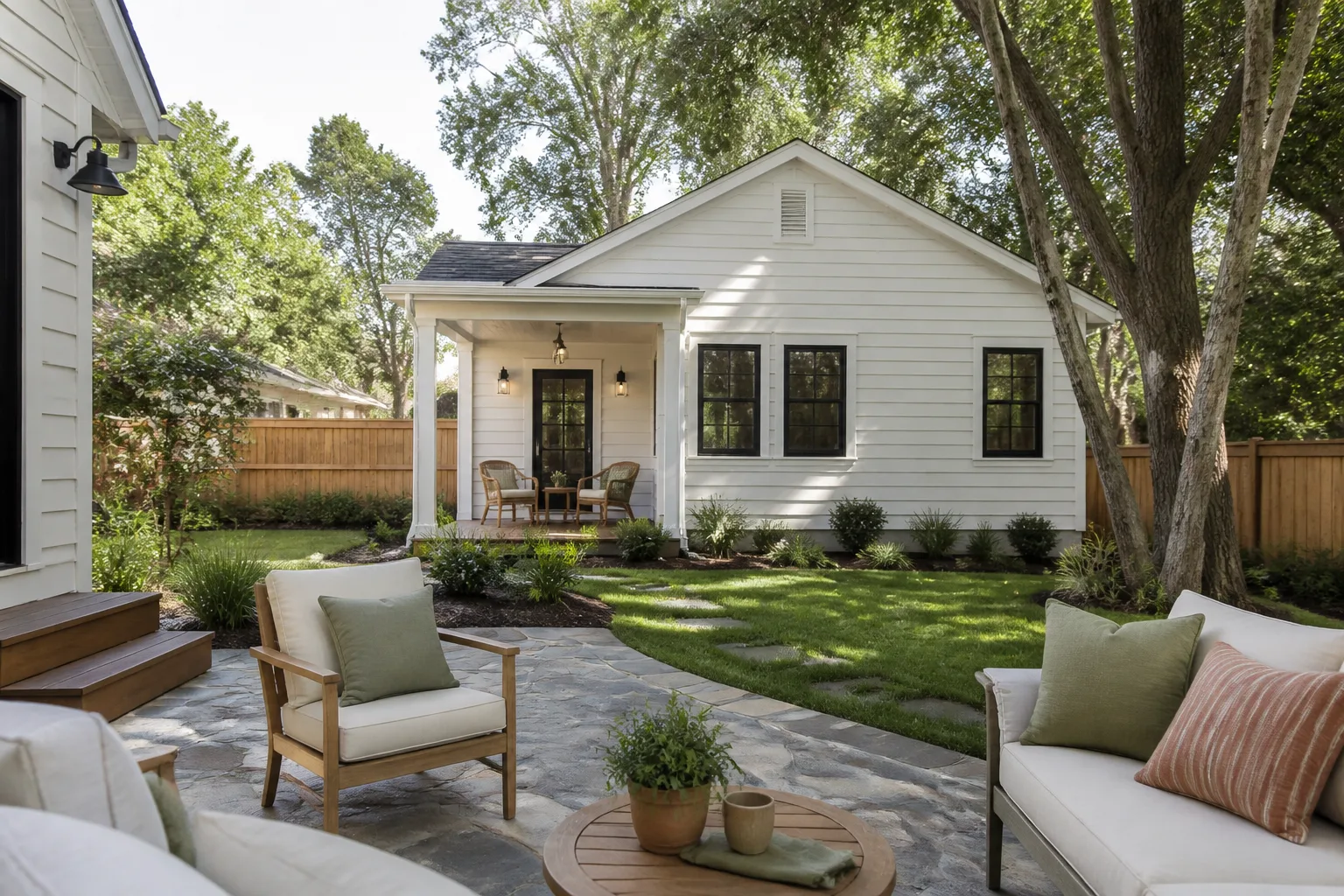
This page applies to Boxabl’s Casita model line, which is the unit most commonly placed as an ADU or attached addition in Long Beach. The Casita ships as a 19′ x 19′ folded module that unfolds to roughly 361 square feet of interior space. We’ve also supported owners pairing Casita units with conventional stick-built additions where the module serves as a primary suite or in-law space attached to a larger structure.
The key compatibility point for Long Beach owners: the Casita’s foundation requirement is stricter than most prefab units. The slab needs to be level within a very tight tolerance, and the anchor points must match the module’s factory specifications exactly. If your delivery is weeks out, we can get the slab poured and cured, utility stubs set, and the site graded before the truck arrives. That sequencing saves you weeks of carrying costs and keeps the module’s warranty intact.
When it comes to OEM versus aftermarket components for the interior finish work, the honest answer is that Boxabl’s shell, folding mechanisms, and weatherproofing are factory-specific and should not be altered by anyone. But the interior finishes, flooring, cabinetry, fixtures, and countertops are standard construction trades where you have full choice. We spec KraftMaid or Wellborn cabinets, Cambria or Silestone countertops, and Kohler or Moen fixtures inside Boxabl units without any compatibility issue. Those are the same named brands we use on conventional Long Beach remodels, and their manufacturer warranties travel with the finished project.
Styles & brands we work with






Signs Your Boxabl Home Additions & ADU Is Failing
- Water staining along the ceiling-to-wall seam after rain: The Casita’s folding panels create horizontal seams that need regular seal inspection, especially after Long Beach’s winter storm cycles. A failing seam seal is almost always the culprit, and it’s fixable before it becomes mold.
- Doors or windows binding when you open or close them: The module may have settled slightly on its foundation. This usually means the slab wasn’t within factory tolerance when it was poured, or soil movement under the slab has occurred. We can re-level or shim to factory spec.
- Uneven indoor temperatures between the module’s halves: A compromised seal at the fold line lets air move where it shouldn’t. You’ll notice it first as a draft near the floor in winter or a hot spot near the ceiling in summer.
- Electrical flicker when appliances cycle on: The utility stub connection to your main panel may be undersized or the panel itself wasn’t upgraded for the added load. Long Beach’s building code has specific requirements for ADU subpanels, and we’ve corrected many that were done outside the permit process.
- Floor squeaks or soft spots near the entry: The threshold area takes the most foot traffic and the most weather exposure. A soft floor there typically means the weatherproofing detail at the door was done incorrectly or has worn through.
See the difference
 Before
 After
After Before
 After
After Before
 After
AfterReplacement Cost & What’s Included
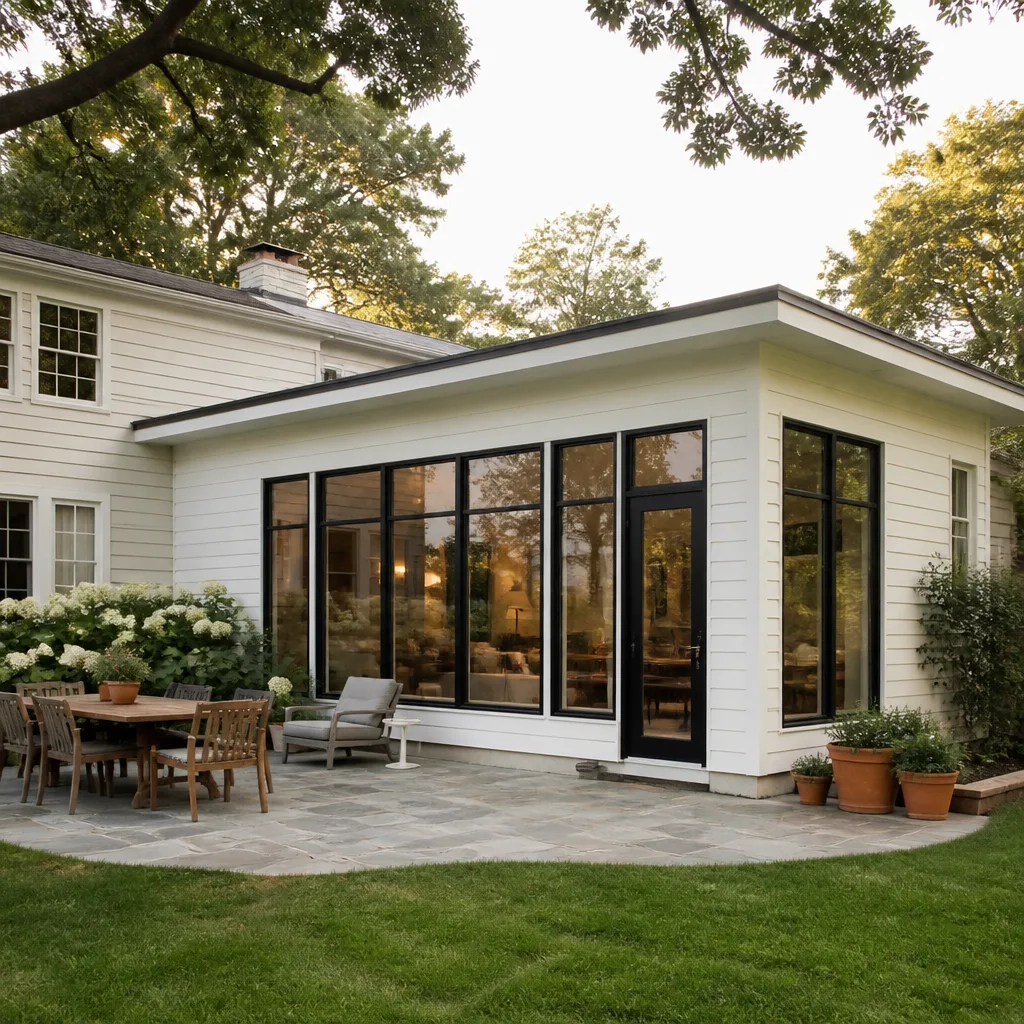
As noted above, a full Boxabl home addition or ADU in Long Beach runs $45,000 – $130,000. That range reflects the difference between a straightforward placement on a level lot with close utility access and a project requiring significant grading, a long sewer lateral run, retaining walls, or a panel upgrade. A conventional stick-built home addition in Long Beach falls in the same $45,000 – $130,000 range, while a dedicated ADU construction project runs $90,000 – $220,000 depending on size, site complexity, and finish level.
Every scope we write includes the site work, foundation, utility connections, permit fees, interior finishes, and a written line-item price before any work starts. We don’t give an estimate that quietly grows after the crew arrives. Graham Stein, our owner, gives homeowners a written scope of work before a single tool comes out of the truck. The 365-Day Done Right Promise covers every completed project: if something isn’t done right after the job is complete, we make it right.
DIY or Call Us?
The interior finish work in a Boxabl unit is generally safe to handle yourself if you have remodeling experience: flooring, paint, cabinet installation, trim. The site work is not. Grading a lot, pouring a foundation slab to a tight tolerance, trenching sewer lines, and connecting utilities to your main panel all involve genuinely dangerous work, and several of those tasks require a licensed contractor and a permit in Long Beach. A bad foundation pour or a poorly connected sewer lateral is the kind of mistake that costs more to fix than the original project. Call us at (562) 512-7086. We’ll walk the site, look at the module specs, and give you a written scope and price before anything starts.
FAQs
A properly sited and sealed Boxabl Casita should last 30 to 50 years or longer in Long Beach’s coastal climate, with the primary maintenance being seal inspection and replacement at the folding seams every 5 to 7 years. Salt air near the coast accelerates seal wear, so units closer to the water need more frequent checks. Call (562) 512-7086 if you want us to inspect your existing unit’s seals and weatherproofing.
Most Boxabl issues are repairable: seam resealing, re-leveling, door adjustment, utility corrections, and interior finish replacement are all standard repair work. Full module replacement is almost never necessary unless there has been major water intrusion or structural damage from a collision or severe weather. We’ll always assess the repair path first.
Site preparation including grading, foundation, utility stubs, and rough-in typically takes 3 to 6 weeks in Long Beach, after permits are issued. Permit approval timing varies with the city’s current backlog, which we monitor closely and will tell you about honestly during the first conversation.
We stock the standard construction materials needed for Boxabl interior finishes and site work, including cabinetry from KraftMaid, countertops from Cambria and Silestone, and fixtures from Kohler and Moen. For factory-specific Boxabl shell components, we order directly and sequence delivery to match the project timeline.
Written by Graham Stein, Owner, Elmstead Remodeling Long Beach at Elmstead Remodeling Long Beach, serving Long Beach and nearby areas.


