
Free written scope consultation - allowances, timeline, and change-order rules on paper before a single trade is scheduled
Plant Prefab Home Additions & ADU: The Long Beach Owner’s Guide
Plant Prefab home additions and accessory dwelling units in Long Beach typically fall between $45,000 and $130,000 for a permitted, turnkey project built to match your existing structure. At Elmstead Remodeling Long Beach, we work with Plant Prefab kit components and panelized systems on a regular basis, which means we can spot a panel fit issue or a flashing spec problem before it becomes a wall leak. Most owners call us when their prefab addition has a failed seam, a settling foundation block, or an exterior panel that no longer sits flush, and the project scope usually grows from there.
Key Takeaways
- Installed additions and ADUs in Long Beach run $45,000 – $130,000 depending on site work, permits, and finish level.
- Plant Prefab components use specific panel dimensions and connector hardware; not every aftermarket part matches without modification.
- Long Beach coastal air shortens the life of untreated metal flashing and some exterior sealants; we spec accordingly.
- We give a written price before any work starts. The price Graham writes down on day one is the price on the invoice when we’re done.
Which Plant Prefab Models This Applies To
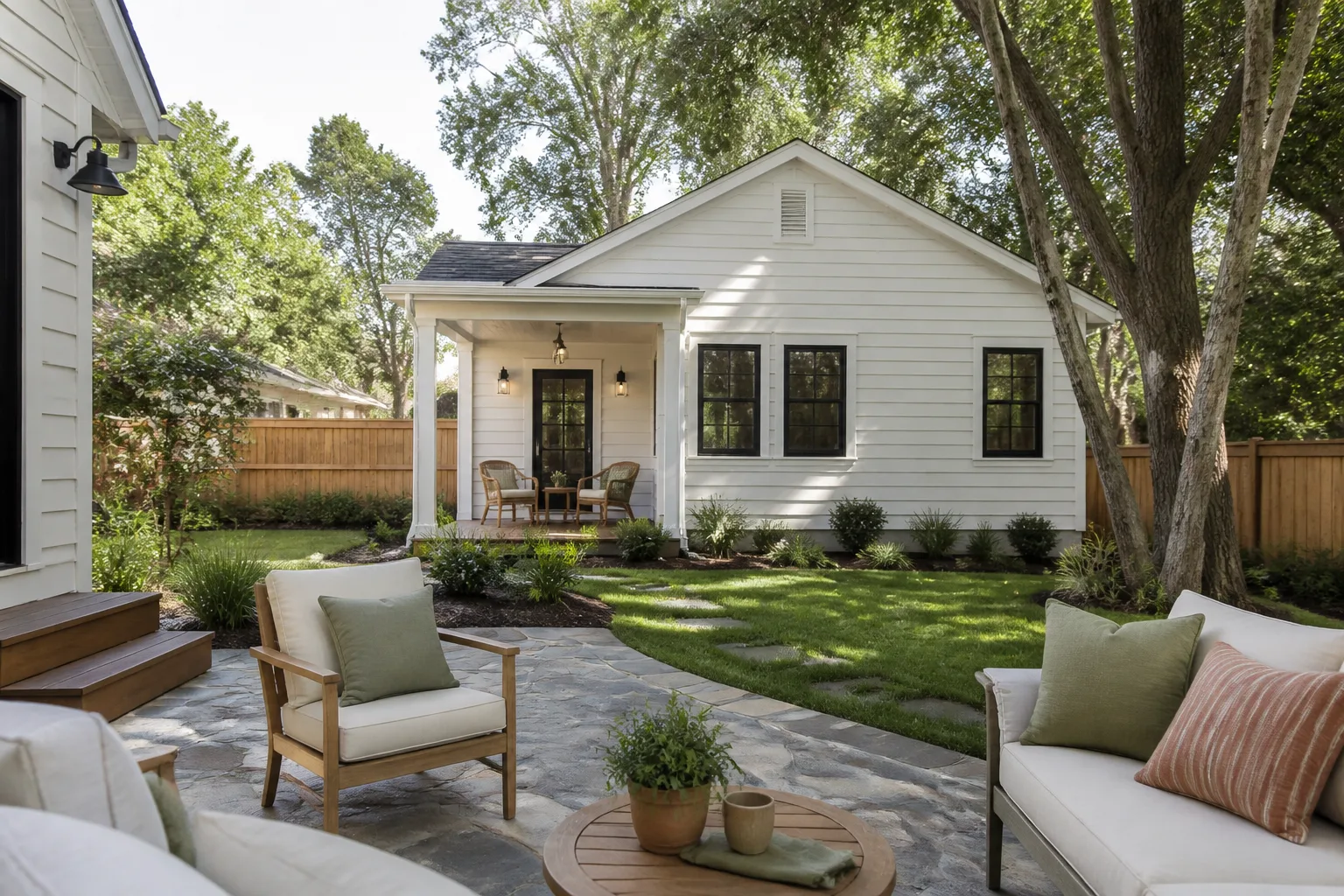
Plant Prefab’s current home addition and ADU line includes several panelized and modular systems, and the compatibility story is not as simple as “one part fits all.” The main lines we see in Long Beach yards are the LivingHome series (which includes both the standard and the larger YB and C6 models for ADUs) and the earlier Plant Prefab custom panel builds. The panel dimensions and corner connector hardware vary by series and by model year, which is the single biggest compatibility gotcha. A 2019 panel joint is not necessarily the same as a 2023 panel joint, even on two homes that look similar from the street.
If you’re trying to identify which panel or component you have, look for the small aluminum data plate, usually fastened inside the wall cavity or on the back face of an exterior corner panel. It will list the series code, the panel number, and often the date of manufacture. The OEM parts for these systems are precise, but lead times from the factory can stretch six to ten weeks. For many common failure points, like threshold flashing, weather barrier tape, and sill gaskets, we use equivalent or better aftermarket materials from brands we already trust, including James Hardie for exterior cladding patches and Schluter for waterproofing transitions. When the part is structural, the OEM part is the right call. When the failure is at a seam or a penetration, the right aftermarket material can often outperform what the factory shipped.
Elmstead Remodeling Long Beach is an independent remodeling contractor and is not affiliated with Plant Prefab. We’re a Cedarwell company, and every project carries the Cedarwell Care Promise: shoe covers inside, drop cloths on the floors, a written price before work starts, and a photo of the clean-up before the crew leaves.
Styles & brands we work with






Signs Your Plant Prefab Home Additions & ADU Is Failing
- Water staining on interior baseboards or drywall near panel seams. This usually means the weather barrier tape at a vertical seam has dried and separated, or the joint gasket has compressed beyond recovery. In Long Beach’s damp, salty air, this is the most common failure we see, and it starts small.
- A visible gap between exterior panels that widens and narrows with the seasons. Prefab panels move with temperature swings, but a gap that opens more than about 3/16 of an inch during the winter indicates a connector that has loosened or a framing member that has settled unevenly.
- The ADU door or a window binds in its frame. A door that catches at the top corner usually means the foundation or the panel above the opening has shifted. The panel system is designed for this to stay square, so binding is a signal that something under the unit is moving.
- Musty odor in the crawl space or under the floor system. Moisture management under a prefab addition depends on intact vapor barrier and proper clearance from grade. Long Beach lots with heavy soil and poor drainage push moisture up against floor panels, and the first symptom is usually the smell, not visible damage.
- Fastener heads popping through drywall or visible screw lines on exterior panels. This is a sign of differential movement or thermal cycling that has broken the fastener’s hold. Left alone, those loose fasteners let water in and let panel edges start to cup.
See the difference
 Before
 After
After Before
 After
After Before
 After
AfterReplacement Cost & What’s Included
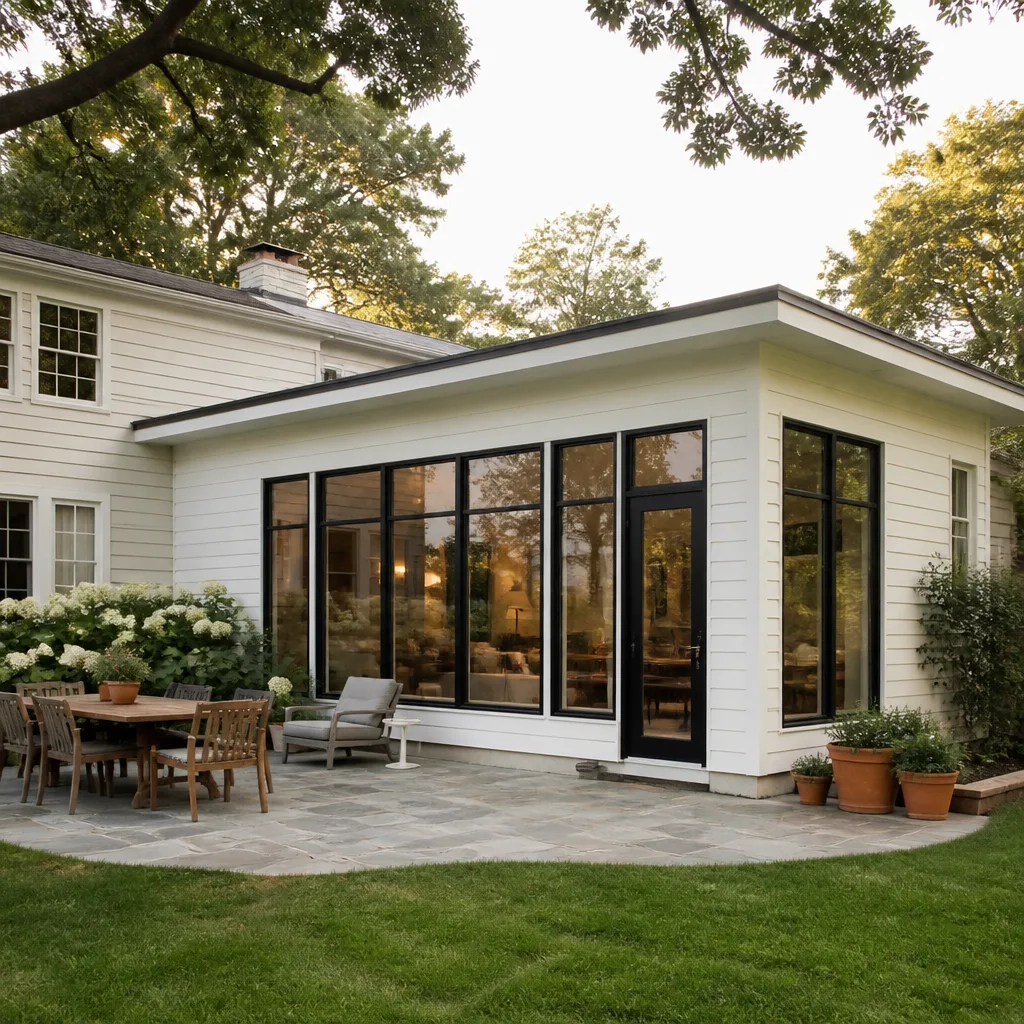
For a Plant Prefab-compatible addition or ADU project in Long Beach, the full installed range is $45,000 to $130,000. The spread is wide because two factors dominate the price and they are different on every site: the condition and type of the foundation or pad, and the finish level the family wants inside. A simple slab-on-grade ADU with basic finishes and an existing utility tap sits near the lower end. A raised foundation with lateral retrofits, new subpanel, kitchenette, and a tiled walk-in shower pushes toward the higher end.
A smaller scope, like repairing failed seams, re-flashing panel joints, or replacing exterior cladding on an existing prefab addition, typically runs $3,000 to $15,000 depending on access, the number of panels involved, and whether scaffolding is required. Every project includes a written price before any work starts, parts and labor listed separately, and our 365-Day Done Right Promise: if it’s not done right after the job is complete, we make it right. That promise is on every project, not just the big ones.
What Drives the Price on a Plant Prefab Addition or ADU in Long Beach
- Foundation and grading work: Long Beach soil reports often require deep footings or slab reinforcement, and some lots need drainage correction before a panel goes up. This is the largest variable and the hardest to quote from photos.
- Utility connections: A detached ADU with its own panel and sewer lateral costs more than an attached addition that shares existing utilities. Trenching, tapping, and inspections in Long Beach add real dollars.
- Panel condition and matching: If we are adding to an existing prefab structure, panel matching and connector retrofit work add cost versus building from new components.
- Finish level: KraftMaid or Wellborn cabinets, Cambria or Silestone countertops, Kohler fixtures, and tile shower systems all land in different price bands. We quote named brands, not “builder grade,” so the homeowner can research exactly what they’re paying for.
DIY or Call Us?
There are a few things an owner can safely check before making a call. You can inspect visible seams and run a clean, dry hand along panel edges to feel for separation. You can look under the unit with a flashlight for standing water or mud contact against the floor system. You can note which door or window binds and whether it gets worse after rain. That information helps us quote the job accurately before we arrive.
What we recommend against is pulling a panel, cutting into a wall, or working near the electrical service connection on your own. Prefab panels are under load, and a panel that comes free in the wrong sequence can shift weight onto adjacent framing. The electrical panel connection on an ADU is live unless the utility has disconnected it. If you have a suspected structural issue or water intrusion, call (562) 512-7086. We’ll walk through what you’re seeing, ask a few questions about the symptoms, and if it warrants a site visit, you’ll get a written price before any work starts.
FAQs
A properly installed and flashed Plant Prefab structure should last 50 years or more with regular exterior maintenance, but the first failures are almost always at seams, penetrations, and ground contact points due to Long Beach’s coastal humidity and salt exposure. Expect to re-seal and re-flash exterior panel joints every 8 to 12 years in this climate.
In most cases, yes. A separated seam, dried weather barrier tape, or failed sill gasket can be cleaned, re-flashed, and re-sealed without removing the panel. We only recommend full panel replacement when the underlying framing is compromised or the panel itself has delaminated. Call (562) 512-7086 and describe what you’re seeing; we can usually tell you over the phone whether it sounds repairable.
A seam repair or re-flashing project on an existing prefab structure usually takes one to three days on site, depending on access and weather. A full ADU or addition build from new Plant Prefab components in Long Beach typically runs four to seven months from permit approval to final inspection, with the site work and panel installation phases themselves moving quickly once the foundation passes inspection.
We keep common failure-point materials on hand, including weather barrier tape, sill gaskets, panel sealants, flashing profiles, and James Hardie cladding stock for exterior patches. Structural OEM panels and connector hardware are ordered per job, and we’ll give you the lead time and the written price before ordering anything. We also stock finish materials from KraftMaid, Cambria, and Silestone for the interior scope of an ADU project.
If your Plant Prefab addition or ADU is showing signs of wear, movement, or water intrusion in Long Beach, call us at (562) 512-7086. We’ll ask the right questions, schedule a visit if it’s warranted, and put the written price in your hands before the first tool comes out of the truck. Estimates are free, and the 365-Day Done Right Promise applies to every job we complete.
Written by Graham Stein, Owner, Elmstead Remodeling Long Beach at Elmstead Remodeling Long Beach, serving Long Beach and nearby areas.


