
Free written scope consultation - allowances, timeline, and change-order rules on paper before a single trade is scheduled
James Hardie Bathroom Remodeling: The Long Beach Owner’s Guide
If you’re searching for James Hardie bathroom remodeling in Long Beach, the short answer is this: Elmstead Remodeling Long Beach installs and works with James Hardie fiber cement products in bathroom projects, and a full bathroom remodel using James Hardie materials typically runs between $9,000 and $28,000 in the Long Beach market. We stock James Hardie backer board and related substrates on the truck for most bathroom jobs, and we can usually begin a project within a week or two of the written estimate, depending on material availability through our local suppliers.
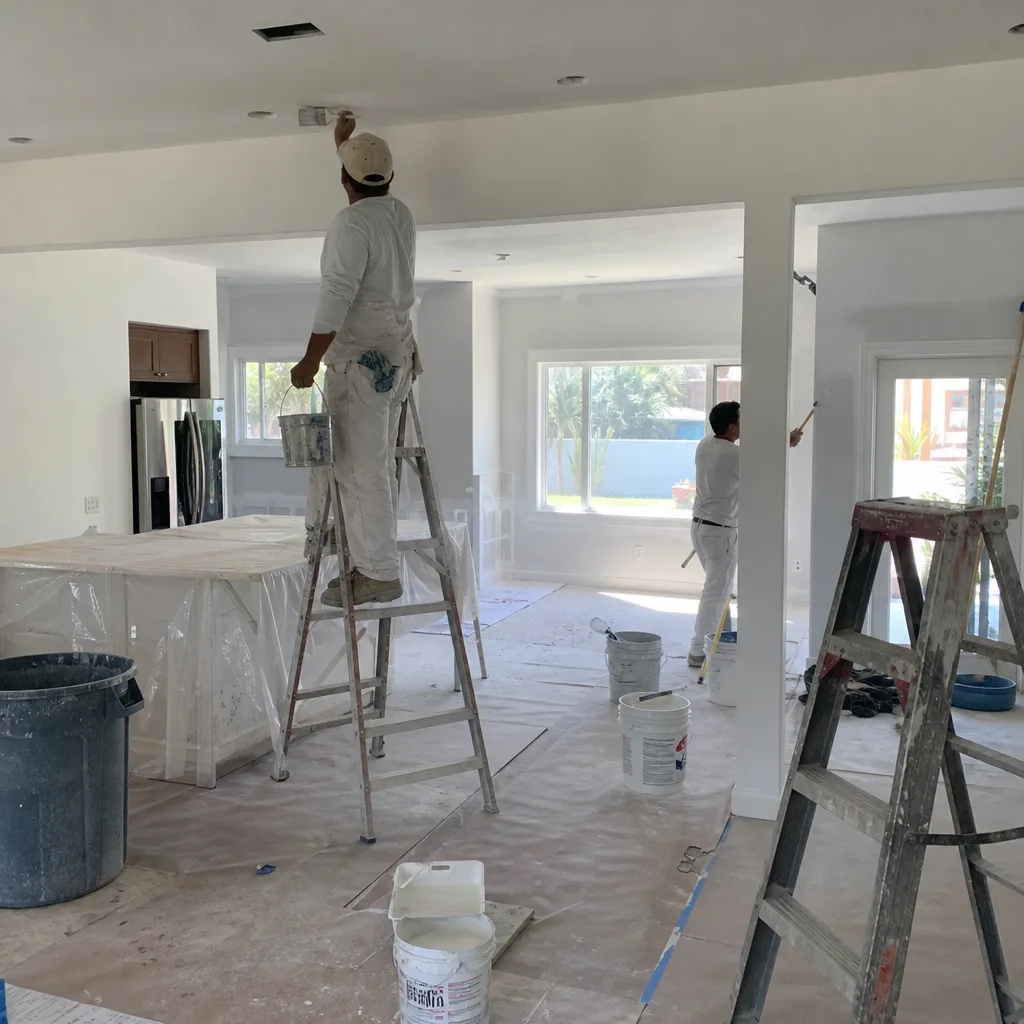
The way most Long Beach homeowners discover they need this work is not dramatic. They pull up a corner of bathroom flooring near the tub and find the subfloor has gone soft. Or they peel back a loose tile and see the backer board behind it has crumbled into chalk. In a coastal climate like Long Beach, where humidity sits high year-round and older beach-adjacent homes in Belmont Shore, Naples, and Bluff Park carry decades of moisture history, the substrate behind the tile matters just as much as the tile itself. That is exactly where James Hardie products enter the conversation.
Which James Hardie Models This Applies To
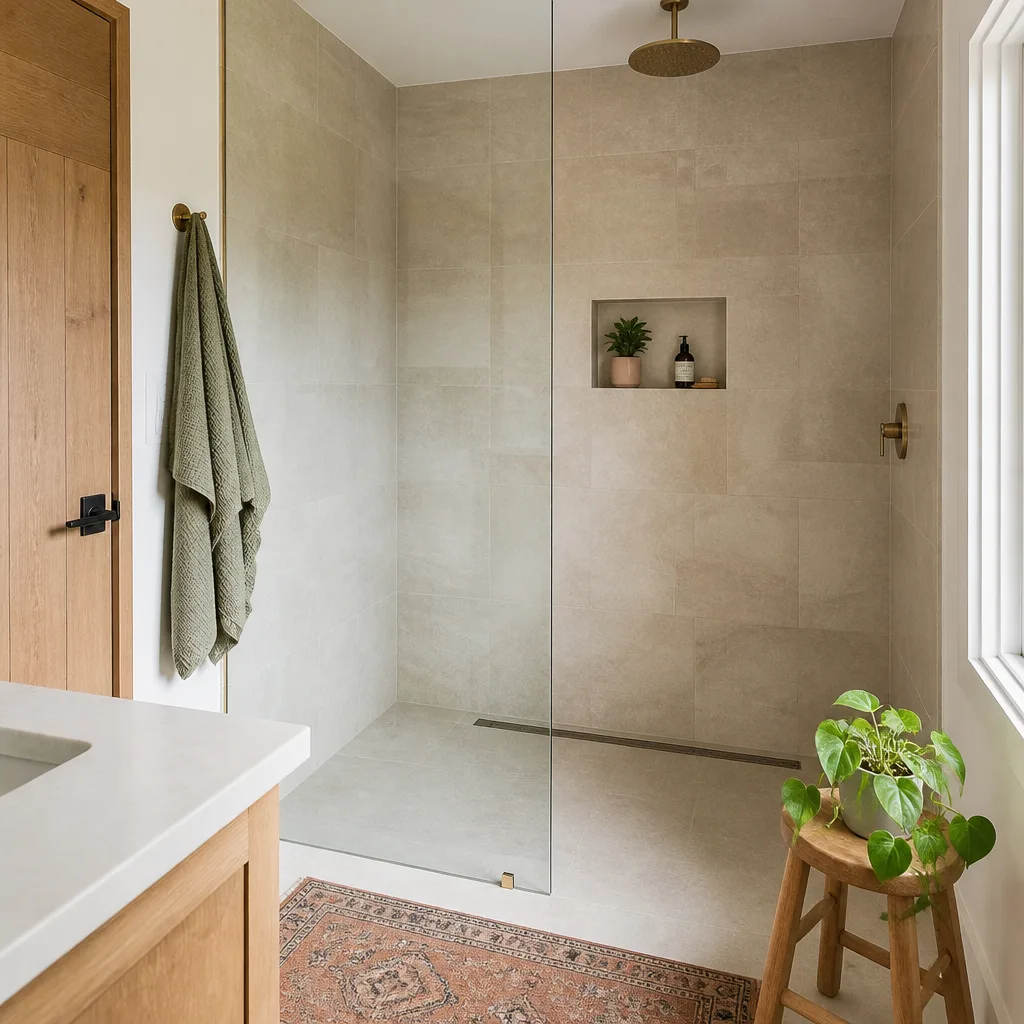
James Hardie makes a specific product line for wet-area substrates, and the one we use most in Long Beach bathrooms is James Hardie HardieBacker cement board, which comes in 1/4-inch and 1/2-inch thicknesses. The 1/2-inch version is what goes on walls behind tile in showers and tub surrounds. The 1/4-inch version is for floors and countertops. There is also HardieBacker 500, which is the 1/2-inch board with a slightly denser core for commercial-grade applications or heavier tile.
Here is the compatibility detail most homeowners miss: HardieBacker is not waterproof on its own. It is water-resistant and dimensionally stable, but in a shower, it still needs a waterproofing membrane or a moisture barrier behind it. This is a real gotcha we see in Long Beach remodels where a previous contractor installed HardieBacker directly behind tile in a shower with no waterproofing layer, and five years later the studs are rotting behind an intact-looking wall. We pair HardieBacker with Schluter Kerdi membrane or a liquid-applied waterproofing like RedGard, depending on the shower configuration and the tile size. If you are buying board yourself, confirm whether the board you are looking at is the 3-foot-by-5-foot sheet (standard) or the 4-foot-by-8-foot sheet (special order at most Long Beach suppliers).
One more name to know: James Hardie Artisan is a line of exterior lap siding and panel products, not a bathroom product. We mention this because we occasionally get calls from homeowners who were quoted “James Hardie” for a bathroom and cannot tell which product the contractor meant. If someone quotes you James Hardie for a bathroom and cannot tell you whether they mean HardieBacker 500 or HardieBacker 1/2-inch, that is a red flag worth asking about.
Elmstead Remodeling Long Beach is an independent remodeling contractor. We are not affiliated with James Hardie, and we are not a James Hardie dealer. We buy their products through our local suppliers because they hold up well in Long Beach’s coastal humidity.
Styles & brands we work with






Signs Your James Hardie Bathroom Remodeling Is Failing
- Grout lines cracking repeatedly in the same spot. This usually means the substrate behind the tile is flexing or has absorbed moisture and is swelling. HardieBacker that is properly installed does not swell, but if the previous installer used drywall in a wet zone and called it good, the cracks will return no matter how many times you re-grout.
- Tiles sounding hollow when tapped. A hollow sound means the tile has debonded from the board. In Long Beach bathrooms, this is often from moisture getting behind the tile through an unsealed grout joint or a failed caulk line at the tub flange.
- A musty odor that does not go away. James Hardie board itself does not support mold growth, but if water has been sitting in the wall cavity behind it, the framing and insulation will smell. This is common in older Long Beach homes where the original bathroom had no exhaust fan or the fan vents into the attic instead of outside.
- Discoloration or softness at the base of the tub surround. Water wicking up from the tub deck or pooling at the floor transition is the classic entry point. We see this frequently in Belmont Shore bungalows where the tub sits on a wood subfloor that has been wet for years.
- Tile popping off the wall in sheets. When a full sheet of tile comes away with the backer board still attached to the back, the board was likely screwed, not nailed, but with the wrong screw type or spacing. HardieBacker requires specific corrosion-resistant screws every 8 inches on the perimeter and every 12 inches in the field. Cut-rate installs skip this, and the board eventually lets go.
See the difference
 Before
 After
After Before
 After
After Before
 After
AfterReplacement Cost & What’s Included
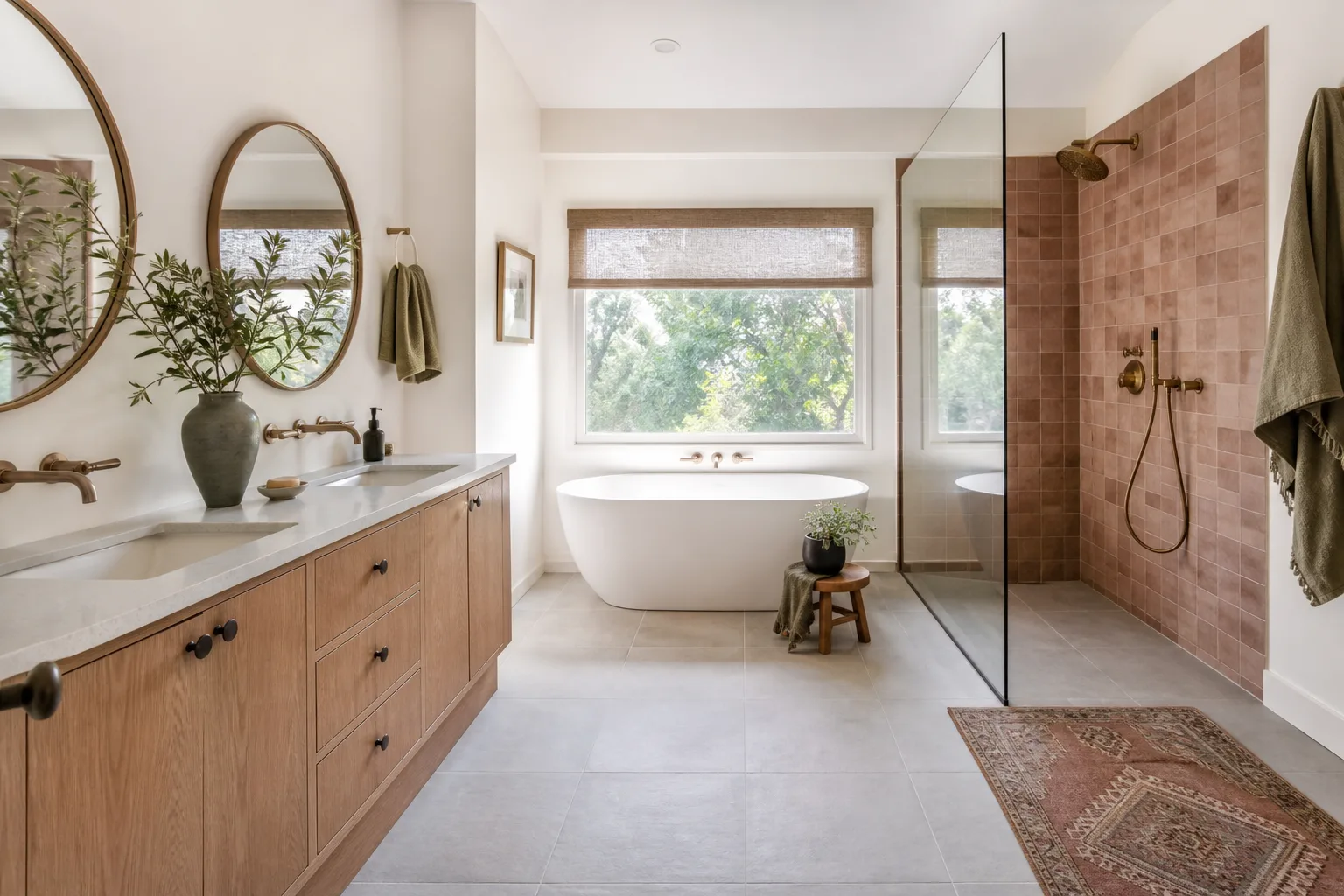
Let’s talk money plainly, because that is what most Long Beach homeowners actually want to know before they call anyone. A bathroom remodel involving James Hardie substrates in Long Beach runs from $9,000 to $28,000, depending on scope. A smaller job, like replacing a failed tub surround and retiling it with HardieBacker behind the new tile, lands on the lower end. A full bathroom gut with a new walk-in shower, HardieBacker on all wet walls, new flooring, a new vanity, and fixtures falls toward the middle or upper end.
The range depends on a few things: how much of the existing substrate has to come out, whether the framing behind it needs repair, what tile you choose, and whether you are moving any plumbing. Every estimate we write in Long Beach includes the same line items, spelled out: demo and disposal, substrate replacement with James Hardie HardieBacker, waterproofing membrane, tile and setting materials, labor, and a written scope that names the exact products going into your walls.
We give you a written price before any work starts, and that price does not grow once the crew arrives. Not for “unexpected rot.” Not for “extra screws.” Not for anything. If we open the wall and find the framing is worse than expected, we show you what we found, we explain what it means, and we write a new number you approve before we proceed. Graham Stein’s signature phrase on every job is simple: “The price I write down on day one is the price on the invoice when we’re done.”
Our work carries the 365-Day Done Right Promise. If something is not right within a year of completion, we make it right. No argument, no deductible, no fine print.
DIY or Call Us?
Here is an honest split. You can check a few things safely: look for cracked grout, feel for soft spots at the tub base, and note whether the exhaust fan is actually pulling air. Those are diagnostic steps, not repairs, and they help you describe the problem accurately when you call.
Replacing HardieBacker and retiling a shower is not a weekend project for most homeowners. Cutting HardieBacker produces silica dust, which is a respiratory hazard without the right mask and dust control. The board is heavy and awkward in a tight Long Beach bathroom. The waterproofing layer has to be applied in specific thicknesses and cured for the right window before tile goes up. If any of those steps go wrong, the failure is silent for months and expensive to reopen. We use scored-and-snapped panels, proper screw patterns, and a waterproofing sequence we have done hundreds of times. If you are not sure, call us at (562) 512-7086 and describe what you are seeing. A conversation costs nothing, and we will tell you honestly whether it is worth having us look.
FAQs
Properly installed HardieBacker lasts the life of the bathroom, which in practice means 30 to 50 years in Long Beach’s climate, assuming the waterproofing layer above it is intact. The board itself does not rot or break down. Failure almost always comes from water getting behind it through a failed seal or a missing waterproofing membrane.
In some cases, yes. If the failure is isolated to a small area near the tub flange or a single corner, we can cut out the damaged section, inspect the framing, and patch in new board with proper waterproofing. But if water has been traveling behind the tile, the damage usually extends farther than what is visible. Call (562) 512-7086 and we will walk through what you are seeing before you commit to anything.
A straightforward tub surround replacement with HardieBacker typically takes 3 to 5 working days from demo to grout. A full bathroom remodel runs 2 to 4 weeks, depending on scope, tile choices, and whether plumbing moves. We give you a schedule in writing before work begins, and we keep the same two-person crew on your job from day one to the final walkthrough.
We keep 1/2-inch HardieBacker and 1/4-inch HardieBacker in stock at our Long Beach shop, along with the waterproofing membranes we pair with it. Specialty sizes, like the 4-by-8 sheets, are ordered per job. Most standard bathroom remodels start with what we already have on hand, which means no waiting on a supplier order before demo begins.
If your bathroom is showing signs of substrate failure, or you are planning a remodel and want James Hardie materials done right the first time, call Elmstead Remodeling Long Beach at (562) 512-7086. We will write the price down before anything else happens, and that number will not move. We also work with KraftMaid, Cambria, and Silestone for the cabinets and countertops that finish the space.
Written by Graham Stein, Owner, Elmstead Remodeling Long Beach at Elmstead Remodeling Long Beach, serving Long Beach and nearby areas.


