
Free written scope consultation - allowances, timeline, and change-order rules on paper before a single trade is scheduled
CGI Home Additions & ADU: The Long Beach Owner’s Guide
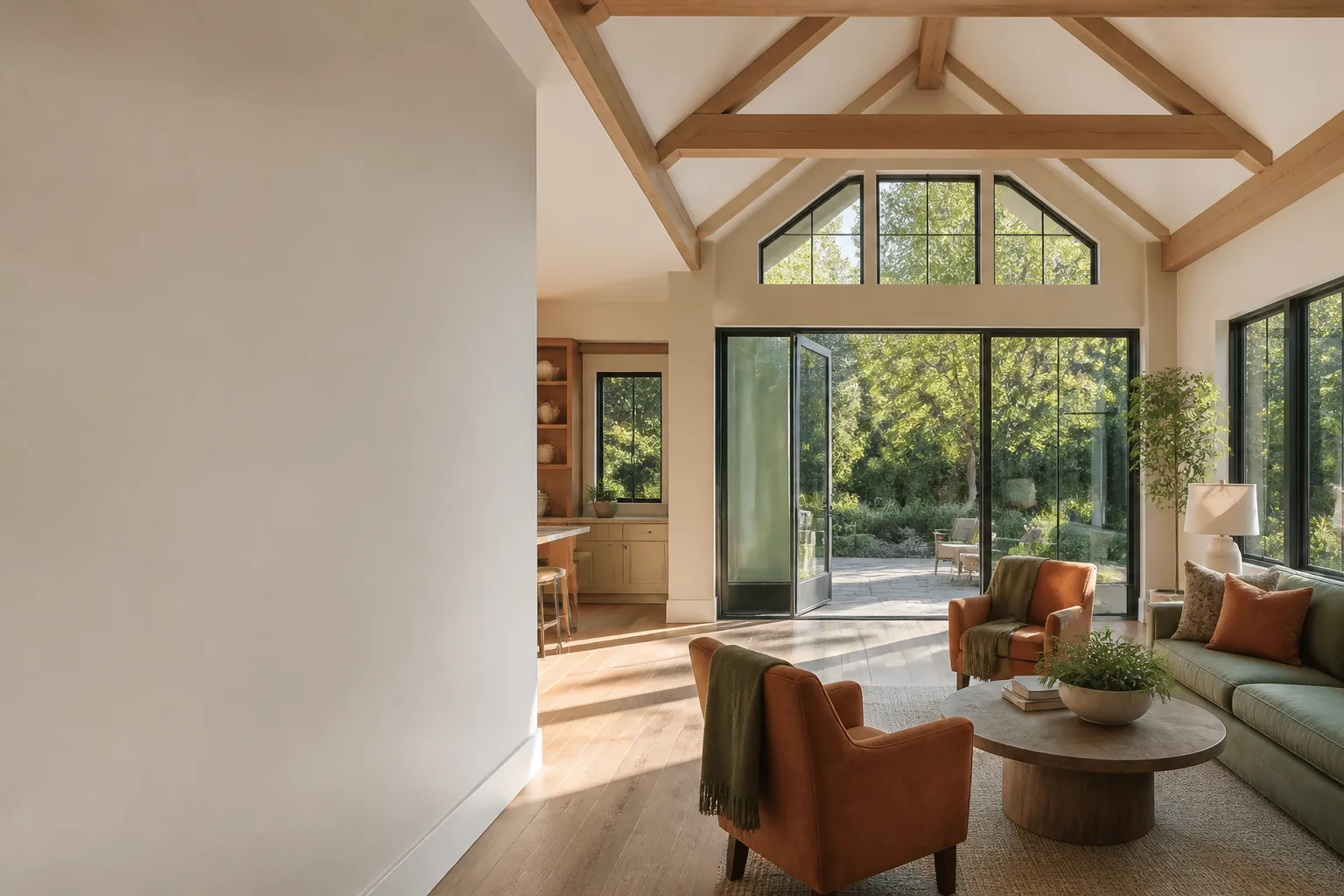
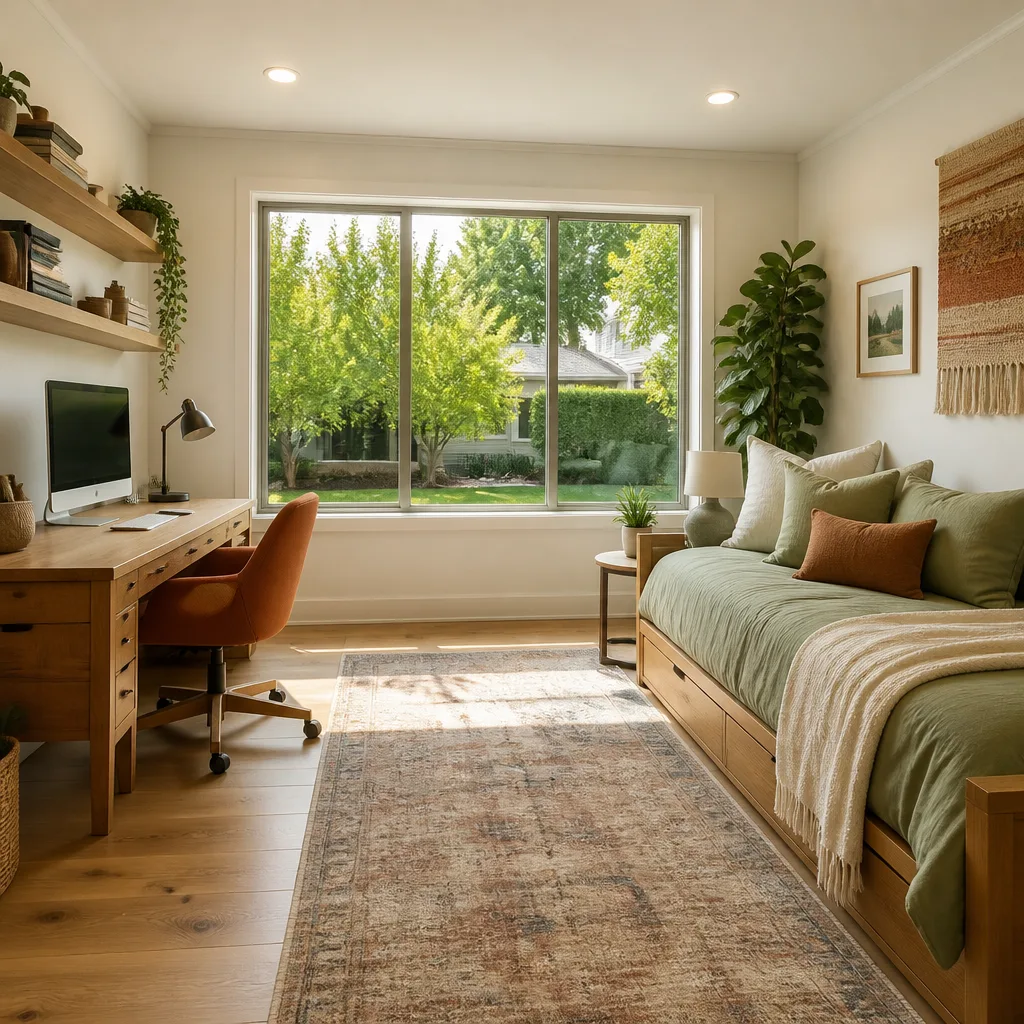
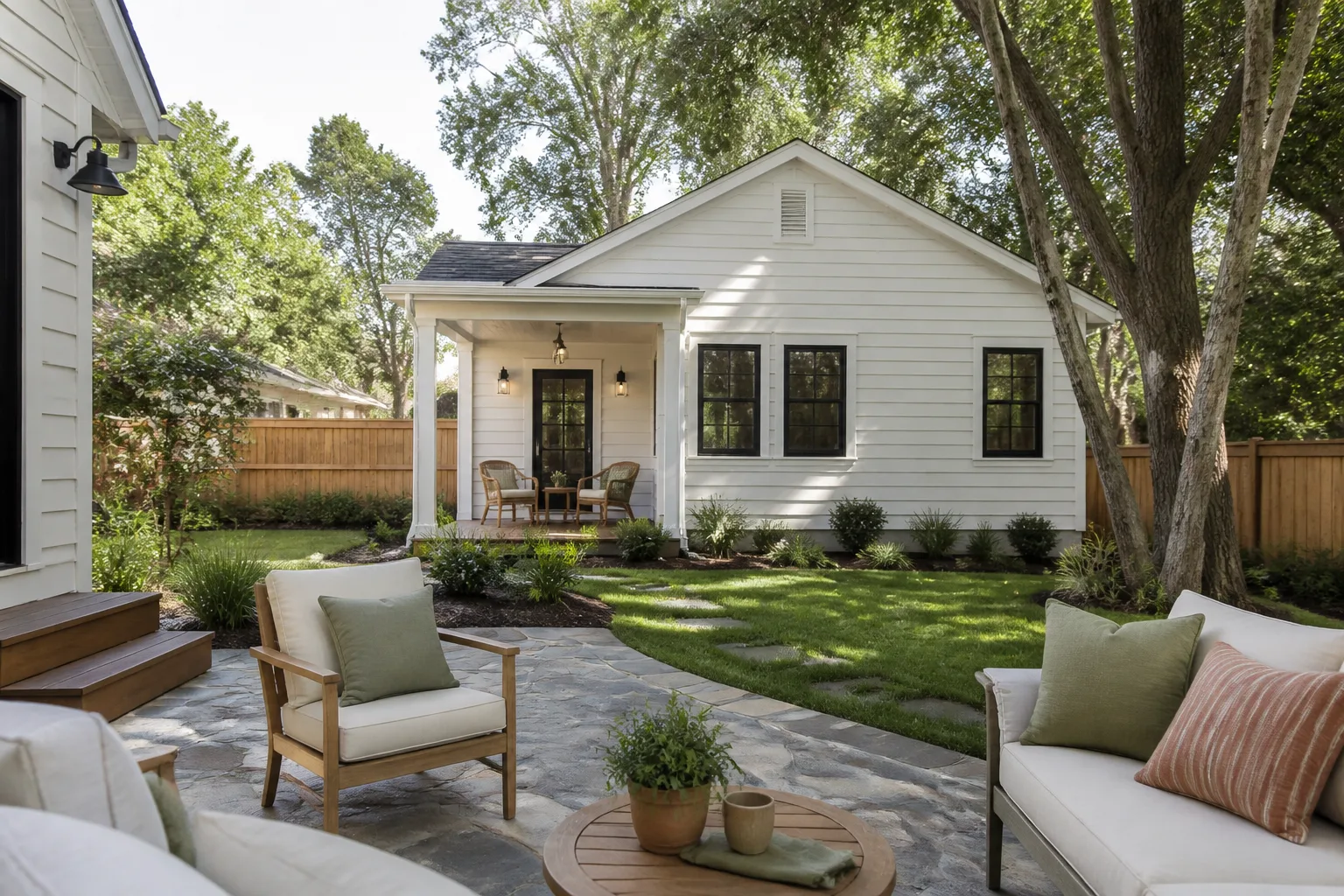
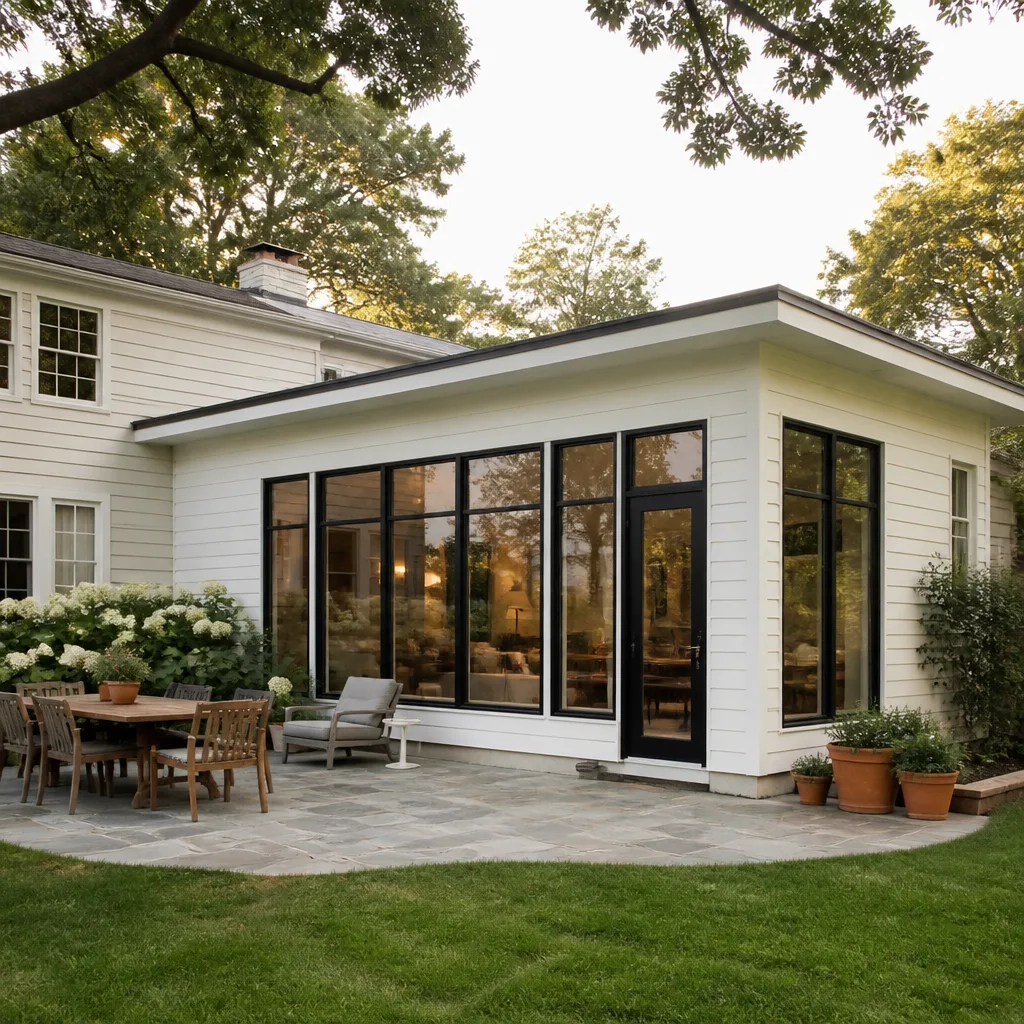
We install and build CGI-compatible home additions and ADUs throughout Long Beach, with most full additions landing between $45,000 and $130,000 and standalone ADU construction running $90,000 to $220,000 depending on size, foundation work, and finish level. The call we most often get starts the same way: a homeowner pulled permits for a CGI-style addition a few years back, something shifted or leaked, and now the space feels wrong but nobody can say exactly why. Graham Stein walks the job, opens the walls where it makes sense, and finds the specific failure instead of guessing. Elmstead Remodeling Long Beach is an independent remodeling contractor, not affiliated with CGI, but we work on addition and ADU projects daily and keep the structural and finish details tight enough that the room performs the way it was drawn.
Which CGI Models This Applies To
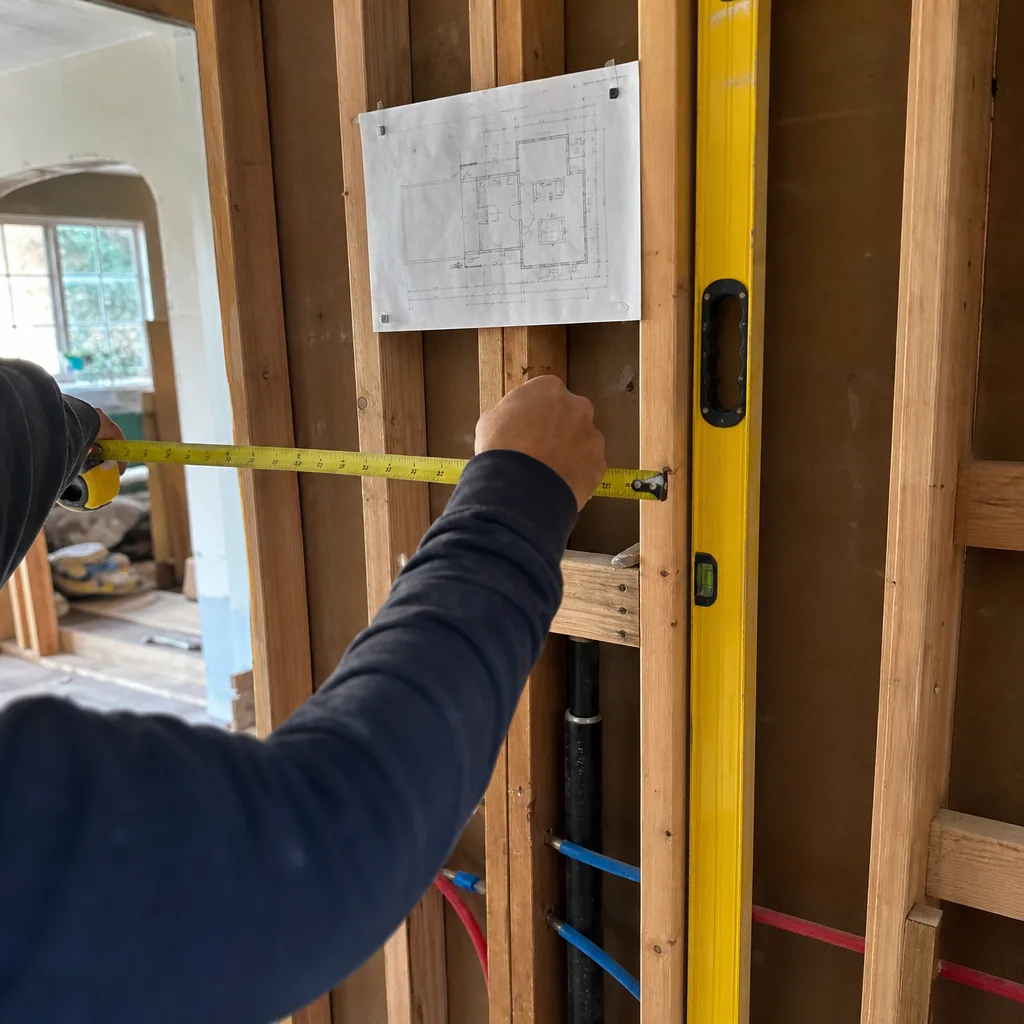
CGI home additions and ADUs are not a single SKU. They are built from a set of panelized wall sections, engineered trusses, and connection details that vary by the plans the original builder filed with the City of Long Beach. The compatibility question is less about a model number and more about the load path: a second-story addition over a 1960s Long Beach ranch needs different tie-downs than a detached ADU in the back of a Belmont Shore lot. When we open up a CGI-style addition, we check the original permit set against what was actually framed. The common gotcha in Long Beach is the connection between the addition’s roof and the existing house, especially where salt air has worked on the flashing for a decade. OEM CGI components are the first choice when the original manufacturer’s spec sheet is available. Quality aftermarket equivalents for headers, hangers, and shear-wall panels are fine when the engineering is re-verified, but we will not swap a structural member without a written calculation behind it.
Styles & brands we work with






Signs Your CGI Home Additions & ADU Is Failing
- Doors or windows in the addition start sticking at the top corner. This usually means the addition’s foundation or the connection to the main house has moved slightly. In Long Beach, expansive soil in areas like Los Altos and El Dorado Park causes seasonal movement that shows up as a binding door before anything else.
- A visible seam opens between the addition and the original exterior wall. That seam is the most common failure point on a CGI-style addition. Water gets in, the flashing fails, and the drywall cracks along the line where the two structures meet.
- Floor feels soft or bounces near the addition’s exterior door. This points to a rim joist or sill plate that has been compromised by moisture, often hidden behind stucco. Long Beach’s marine layer keeps things damp longer than homeowners expect.
- You hear a creak in the roof when the wind comes off the ocean. Uplift connectors may have loosened or were never installed to the current code standard. Older CGI approaches did not always account for the wind exposure along Naples and the Peninsula.
- The ADU stays noticeably warmer than the main house all summer. This is often a ventilation or insulation shortfall in the original build, not just the sun. We’ve opened roofs in Long Beach ADUs and found compressed batts and no baffles at all.
See the difference
 Before
 After
After Before
 After
After Before
 After
AfterReplacement Cost & What’s Included
A full home addition in Long Beach runs $45,000 to $130,000, and a detached ADU runs $90,000 to $220,000. The spread comes down to square footage, whether the existing foundation can carry the load or needs new footings, and the finish package: cabinets from KraftMaid or Wellborn, countertops from Cambria or Silestone, fixtures from Kohler, Moen, or Grohe. Smaller scopes land lower, but we will not name a number for your specific addition or ADU repair until we have seen the framing, the existing permit set, and the soil condition. Every quote from Elmstead Remodeling Long Beach is a written price before any work starts. That price includes the parts, the labor, the permit coordination with the City of Long Beach, shoe covers and drop cloths inside the house, and a photo of the clean-up before the crew leaves. If the work is not done right, the 365-Day Done Right Promise makes it right. The price Graham writes down on day one is the price on the invoice when we’re done.
DIY or Call Us?
There are small things an owner can safely check: look for visible cracks along the addition’s connection seam, check that downspouts are directing water away from the addition’s foundation, and feel whether doors or windows bind seasonally. Those observations help us diagnose faster. The dangerous part is anything structural. A failing header, a compromised shear wall, or a roof-to-wall connection are not DIY territory. They hold weight, resist wind, and keep the addition standing through a Long Beach earthquake. Opening a structural wall without an engineered plan is how small repairs become five-figure fixes. If you suspect the failure is in the framing or the foundation connection, call (562) 512-7086 and we will send someone to look at it properly.
FAQs
A properly built addition or ADU in Long Beach lasts decades, but the first things to fail are typically connection flashings and ventilation details, usually visible within 10 to 15 years. We see this most often on homes a few blocks from the water, where salt air speeds up metal corrosion at the seam between the addition and the original house. Call (562) 512-7086 if you want us to walk your addition and tell you honestly what is wear-and-tear and what is a structural concern.
Almost always, yes. We have repaired failed connection seams, rebuilt soft floor sections, and retrofitted ADU roofs without tearing down the whole structure. The repair path depends on what we find when we open the wall or floor; that is why we document everything before touching a permit. Call (562) 512-7086 for a free estimate, and we will tell you what a repair would actually cost versus a rebuild.
Small connection and flashing repairs are usually one to three days once permits are in hand. A structural repair on a second-story addition can run two to six weeks depending on weather, inspection scheduling with the City of Long Beach, and what we find hidden behind the old stucco. We name the timeline in the written scope before the first tool comes out of the truck.
We keep common structural connectors, hangers, flashing, and fasteners on the truck for the connection details we see most in Long Beach additions and ADUs. For any component sized to a specific engineered plan, we order it from our suppliers before the repair day so the crew is not standing around waiting for a part. We also work with materials from KraftMaid, Cambria, and Silestone for the finish side of an addition or ADU project.
If you have a CGI home addition or ADU that does not feel right, or you are planning one in Long Beach, call (562) 512-7086. We will send someone to listen, look, and hand you a written price before anything starts. No estimate that grows after the crew arrives, and no surprise invoice at the end.
Written by Graham Stein, Owner, Elmstead Remodeling Long Beach at Elmstead Remodeling Long Beach, serving Long Beach and nearby areas.


