
Free written scope consultation - allowances, timeline, and change-order rules on paper before a single trade is scheduled
Sakrete Home Additions & ADU: The Long Beach Owner’s Guide
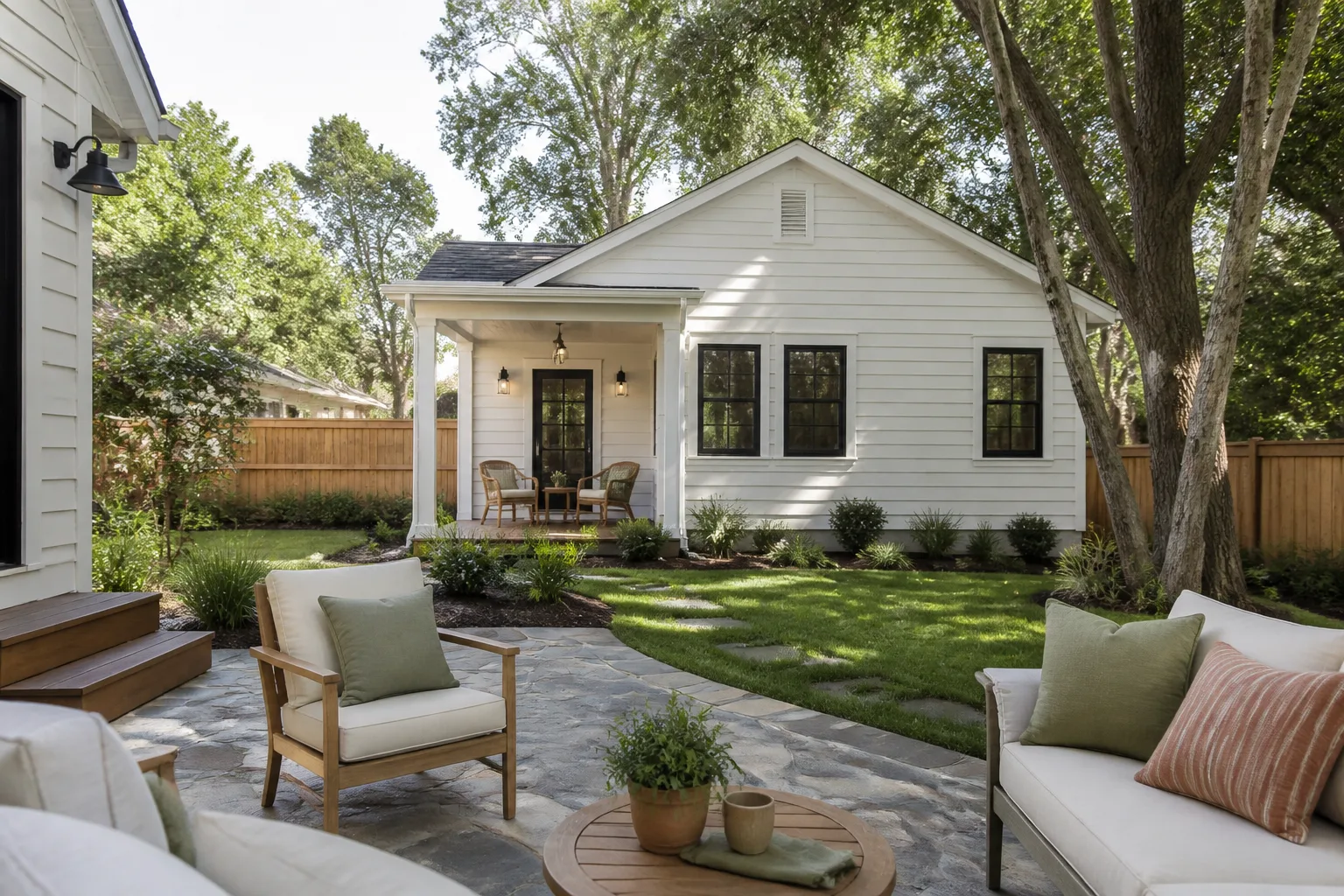
For Sakrete-based home additions and ADU projects in Long Beach, expect to budget $45,000 to $130,000 for a full addition, and $90,000 to $220,000 for a standalone ADU. That range covers the concrete work, framing, rough-in, finishes, and the written scope of work before anything starts. We are an independent remodeling contractor in Long Beach, not affiliated with Sakrete, but we specify Sakrete products on foundations, slab pours, and block work because the mix consistency holds up against our coastal air and the clay-heavy soils in neighborhoods like Bixby Knolls and Los Altos.
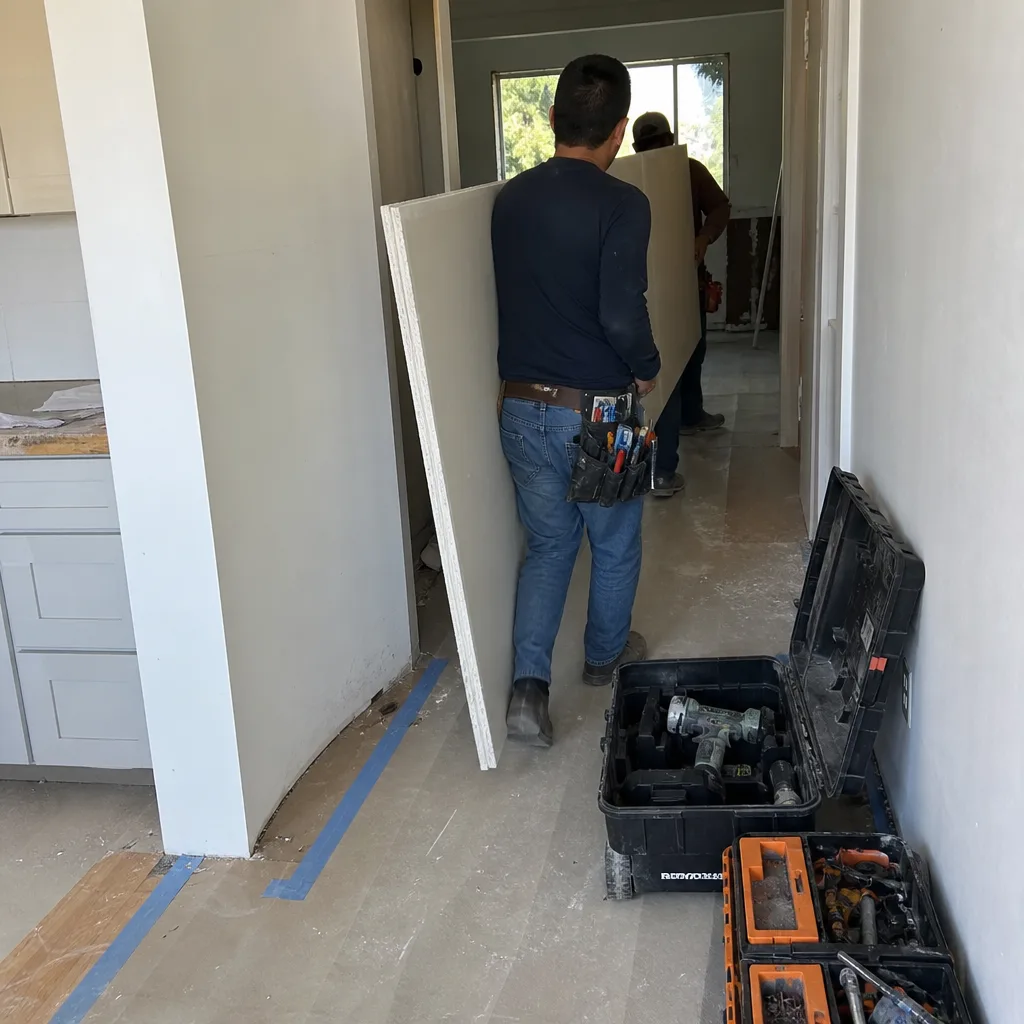
Most homeowners don’t experience a single dramatic failure. They notice hairline cracking in a slab corner, or a moisture wick at the stem wall, or a new addition settling differently than the original footprint. Sakrete’s high-strength mixes are reliable, but a mix that was over-watered, poured too thin, or cured too fast in a Long Beach heat spell will show its weakness within the first three years.
Which Sakrete Models This Applies To
When we talk about Sakrete for home additions and ADUs, we’re usually working with three product lines: the standard High-Strength Concrete Mix (4,000 psi), the 5000 Plus mix for structural pours that need higher compressive strength, and Maximizer for lighter non-structural work like rat walls or small pads. The right choice depends on what the engineer specified and what the soil report says, not what the bag says on the shelf.
The compatibility gotcha we see most often: a homeowner buys a 60-lb bag of 4,000 psi mix for a stem wall that actually needs 5,000 psi per the structural drawings. The bag looks nearly identical. Long Beach is in Seismic Design Category D, and some ADU foundation details require the higher mix. Check the structural sheet, not just the bag. For hot-weather pours, we also watch the mix’s set time. A standard mix poured on a 95-degree day in Wrigley can flash-set before the trowel work is done, which creates cold joints and weak planes.
Styles & brands we work with






Signs Your Sakrete Home Additions & ADU Is Failing
- Hairline cracks that grow wider than a credit card. If a crack opens beyond about 1/16 inch and keeps moving, the slab or stem wall is moving, not just curing. This usually means inadequate rebar, a poor soil key, or water getting into the subgrade.
- Moisture wicking up through the slab. You’ll see darker patches on the concrete floor or flooring that cups or bubbles. Long Beach’s high water table in areas like Naples and Belmont Shore makes vapor barriers non-negotiable. If the barrier was skipped or punctured, the slab will pull moisture forever.
- Doors and windows in the addition that stick seasonally. A door that binds in summer but closes fine in winter is the addition moving independently from the original structure. This often traces back to the stem wall or footing, not the door frame.
- The new concrete sounds hollow in spots. Tap it with a hammer. A hollow thud means the concrete delaminated from the base or there are voids under the slab. This is a structural concern, not a cosmetic one.
- Water pooling against the foundation after rain. Long Beach gets most of its rain in a four-month window. If the finished grade slopes toward the foundation instead of away, the soil expands and heaves, and the Sakrete pour above it cracks and shifts.
See the difference
 Before
 After
After Before
 After
After Before
 After
AfterReplacement Cost & What’s Included
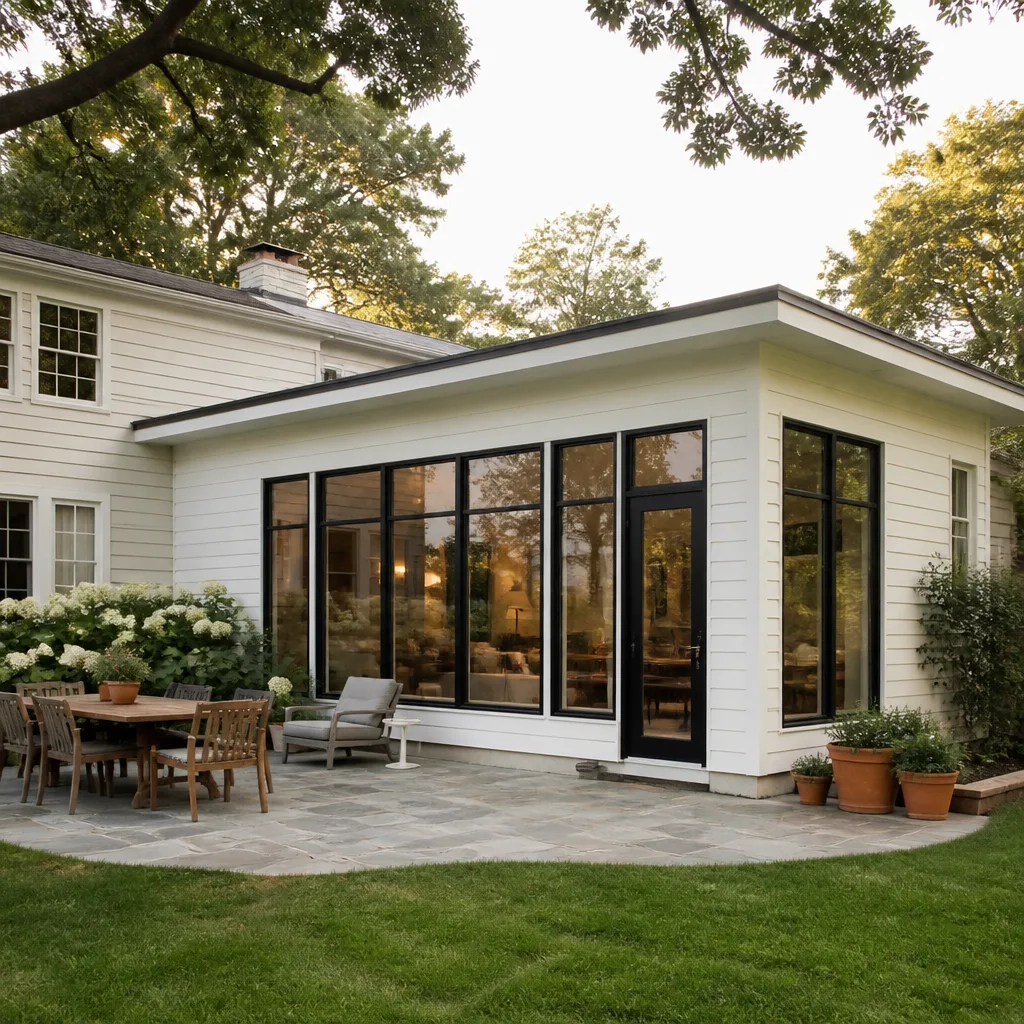
For a full Sakrete home addition in Long Beach, plan on $45,000 to $130,000. A standalone ADU runs $90,000 to $220,000. A garage conversion falls in the $30,000 to $80,000 range. If the issue is isolated to a section of foundation or slab repair, that work lands inside those broader project ranges, typically as a line item within a $9,000 to $28,000 structural repair scope, not as a standalone $45,000 invoice.
What moves the number: the size of the pour, the access to the site, the amount of rebar and tie-down hardware the seismic retrofit requires, and whether we’re removing old concrete or pouring fresh on undisturbed soil. Every Long Beach quote includes the written price before any work starts, the drop cloths and shoe covers inside the house, and the photo of the cleanup before the crew leaves. The price we write is the price on the invoice. The work itself carries the 365-Day Done Right Promise. If the new pour cracks beyond normal curing within a year, we’re back out to make it right.
DIY or Call Us?
Concrete is not a dangerous DIY material the way a garage-door spring or an electrical panel is. Mixing and pouring a small Sakrete pad is safe work for a homeowner who follows the water ratio on the bag. But a foundation pour, a stem wall, or an ADU slab is not a bag-and-mix Saturday project. The forms have to be dead level, the rebar has to be chaired at the right height, the pour has to be continuous with no cold joints, and the cure has to be controlled. If the mix is off by a half gallon of water, the psi drops. If the pour stops halfway, the seam becomes a crack. We’ve had to saw out and re-pour homeowner pours in the Los Altos area where the slab was 1.5 inches out of level. By the time the homeowner fixed it, the cost was higher than our original number would have been. Call (562) 512-7086. The written estimate is free, and the crew will tell you honestly whether the fix is a small pour or a full replacement.
FAQs
A properly mixed, properly cured Sakrete pour on compacted soil in Long Beach should last 50 to 75 years, and often longer. The bigger long-term variables come from the surrounding environment: salt air near the coast shortens exposed concrete’s cosmetic life, shoreward groundwater increases moisture migration, and clay-heavy soil lenses in north Long Beach create seasonal movement that adds surface cracking. A pour in Naples, near the water, will need earlier sealing and more vigilant drainage than a pour in Bixby Knolls, a mile inland.
Yes, many cracked slabs can be repaired, especially if the crack is stable and not actively moving. We use epoxy injection for structural cracks and polyurethane grout for moisture-sealing cracks. The repair makes sense when the underlying soil has stabilized and the crack width hasn’t changed over two seasons. If the slab has heaved, settled, or hollow-sounding voids under it, the long-term answer is usually saw-cutting that section and re-pouring. We’ll tell you which camp your slab is in before anyone spends money.
For a typical Long Beach ADU, the foundation and slab pour itself takes two to five working days, including form setting, rebar inspection, the pour, and the initial cure. A home addition foundation runs a similar timeline. The full ADU project, from first dig to final paint, is usually a six-to-nine month commitment including Long Beach’s plan check and inspection windows. Graham Stein maps that schedule out on paper before we start, and the crew on day one is the crew on the last day.
We bring the Sakrete product to the site as part of the project. We don’t ask homeowners to buy or haul bags. That means we control the batch consistency, the water ratio, and the cure timing. We also keep the Sakrete batch codes in the project file, so if there’s ever a product question a year later, we can trace exactly what was poured and when.
If your addition is settling, cracking, or pulling water, call (562) 512-7086 for a free estimate. We’ll walk the site, measure the cracks, check the drainage, and give you a written price before any work starts. Elmstead Remodeling Long Beach serves the full Long Beach area: Belmont Shore, Naples, Bixby Knolls, Los Altos, Wrigley, and the neighborhoods in between. We also install and coordinate with the other brands your project may call for, including KraftMaid cabinets, Cambria and Silestone countertops, and the fixture and finish lines we carry by name.
Written by Graham Stein, Owner, Elmstead Remodeling Long Beach at Elmstead Remodeling Long Beach, serving Long Beach and nearby areas.


