

Free written scope consultation - allowances, timeline, and change-order rules on paper before a single trade is scheduled
Sterling Home Additions & ADU: The Long Beach Owner’s Guide
Sterling home additions and ADU projects in Long Beach typically run $45,000 – $130,000 for a full addition, and $90,000 – $220,000 for a detached ADU, depending on square footage, foundation work, and finish level. We handle Sterling-compatible addition and ADU builds from the first permit drawing to the final walkthrough, with a written price locked in before any work starts. Most Long Beach homeowners discover a problem not through a dramatic failure but through slow, persistent signs: a floor that feels soft near the new addition’s tie-in, a roofline that sags where the old and new framing meet, or a door that won’t close square anymore.
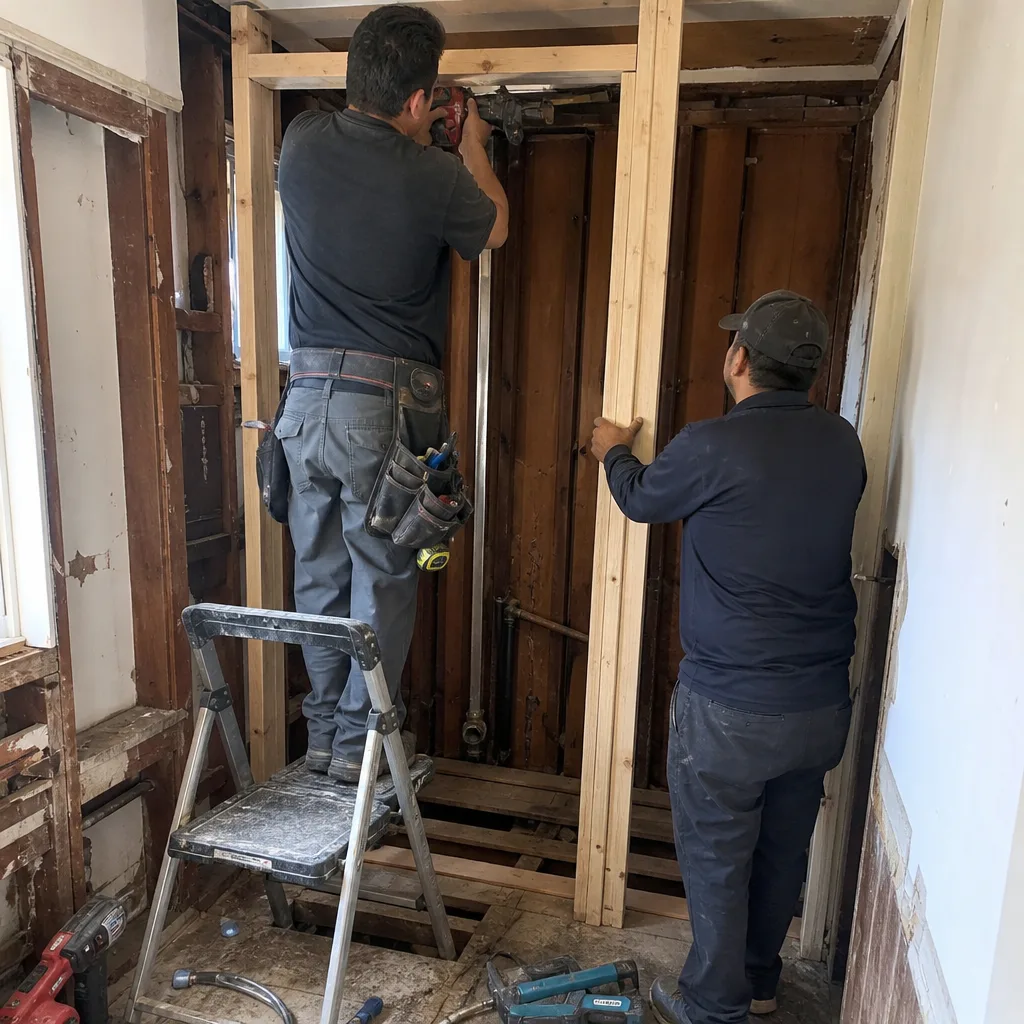
When you call us about a Sterling addition or ADU concern, we don’t start with a sales pitch. We start by asking what you’re seeing, when you first noticed it, and whether water has ever pooled near the foundation line. Then we schedule a site visit and give you the written scope of work before a single tool comes out of the truck.
Which Sterling Models This Applies To
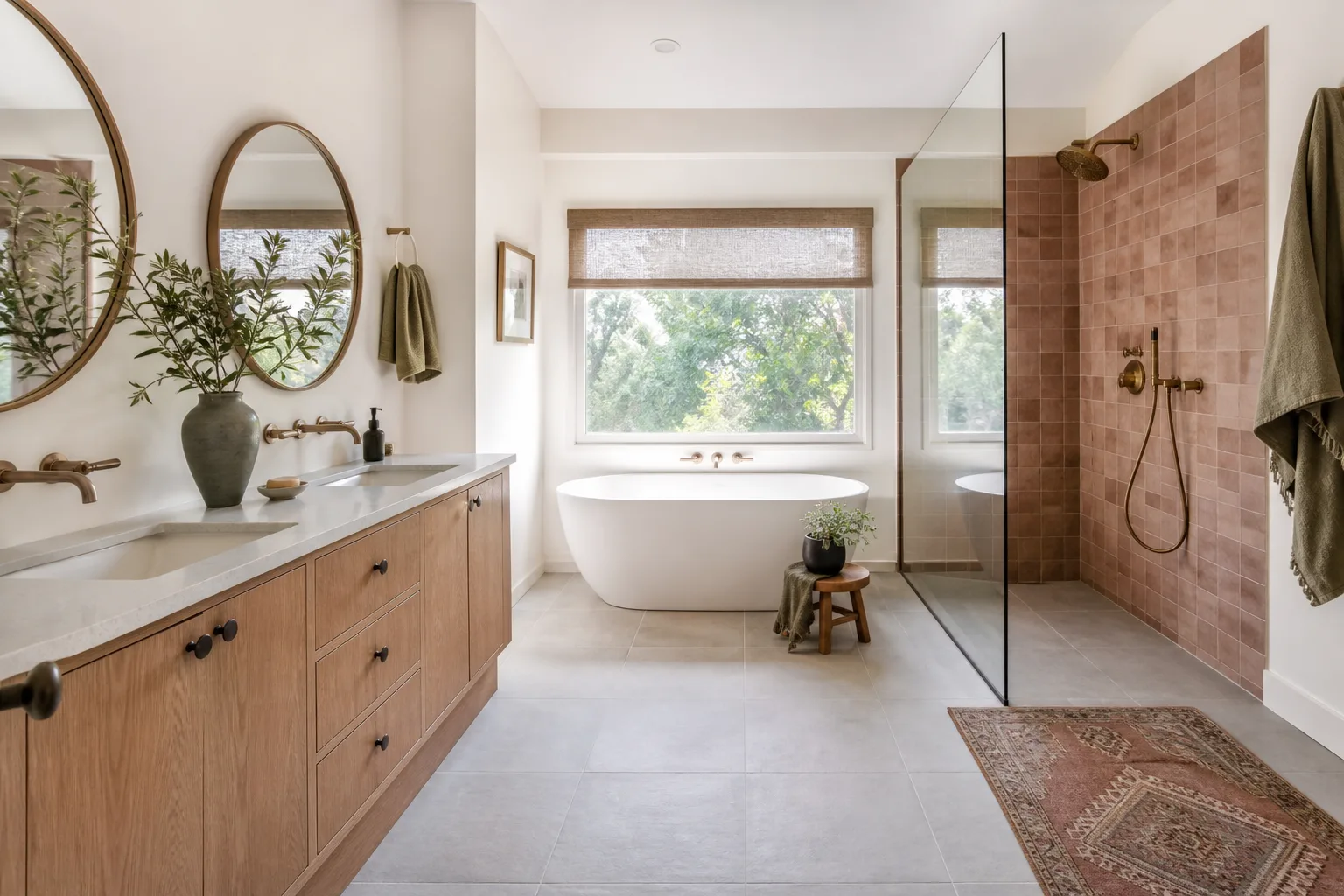
Sterling’s home addition and ADU product lines span several series configurations, and the compatibility question is less about a model number and more about the structural tie-in method. If your original addition or ADU was framed with Sterling’s standard 2×6 exterior wall system, you’re working with a dimensional lumber spec that accepts most code-compliant repair and extension work in Long Beach. If the original build used Sterling’s post-and-beam series, the load path is different: the beams carry the roof load down to specific posts, and any modification has to respect that path.
Here’s the compatibility gotcha we see often in Long Beach: homes built before 1995 were frequently permitted under older shear wall requirements. When an older Sterling addition gets touched today, Long Beach building code requires the entire tie-in to be brought up to current seismic standards, not just the failed section. That changes the scope and the price. We flag this in the written estimate before you spend a dollar, because finding out about it mid-project is the kind of surprise a family shouldn’t have to absorb.
For replacement materials, we recommend OEM-equivalent framing lumber and hardware that matches Sterling’s original fastener schedule in most cases. Where the original build used a discontinued Sterling window or door series, we’ll quote a named-brand replacement-from James Hardie siding systems to Milgard or Jeld-Wen windows-that carries its own manufacturer warranty and meets Long Beach coastal wind load requirements. We’re an independent contractor, not affiliated with Sterling, which means we’re free to recommend the best available product for the job rather than the one a single manufacturer wants pushed.
Styles & brands we work with






Signs Your Sterling Home Additions & ADU Is Failing
- Cracking at the tie-in line where the addition meets the original house. This is the most common failure point in Long Beach, where clay soil expands and contracts with seasonal moisture. The crack usually appears at the drywall seam or the exterior stucco joint, and it means the foundation is moving differently on each side of the seam.
- Doors or windows in the addition that stick, drag, or won’t latch. When the floor framing settles or the foundation shifts, openings go out of square. You’ll notice it first in the doors that get used daily.
- A floor that slopes or bounces when you walk across it. Bounce means a floor joist has lost its connection or was undersized for the span. Slope means settlement. Both are structural, not cosmetic, and both get worse during Long Beach’s rainy winters.
- Drywall cracks radiating from corners of windows and doors in the ADU. These are stress cracks from frame movement. If the crack runs diagonally and is wider than a dime, the sheathing behind it is moving.
- Musty smell or staining at the base of the addition’s exterior walls. Long Beach’s marine layer pushes moisture against west-facing walls. If the flashing or the sill plate wasn’t done right originally, that moisture works its way inside. You’ll smell it before you see it.
See the difference
 Before
 After
After Before
 After
After Before
 After
AfterReplacement Cost & What’s Included
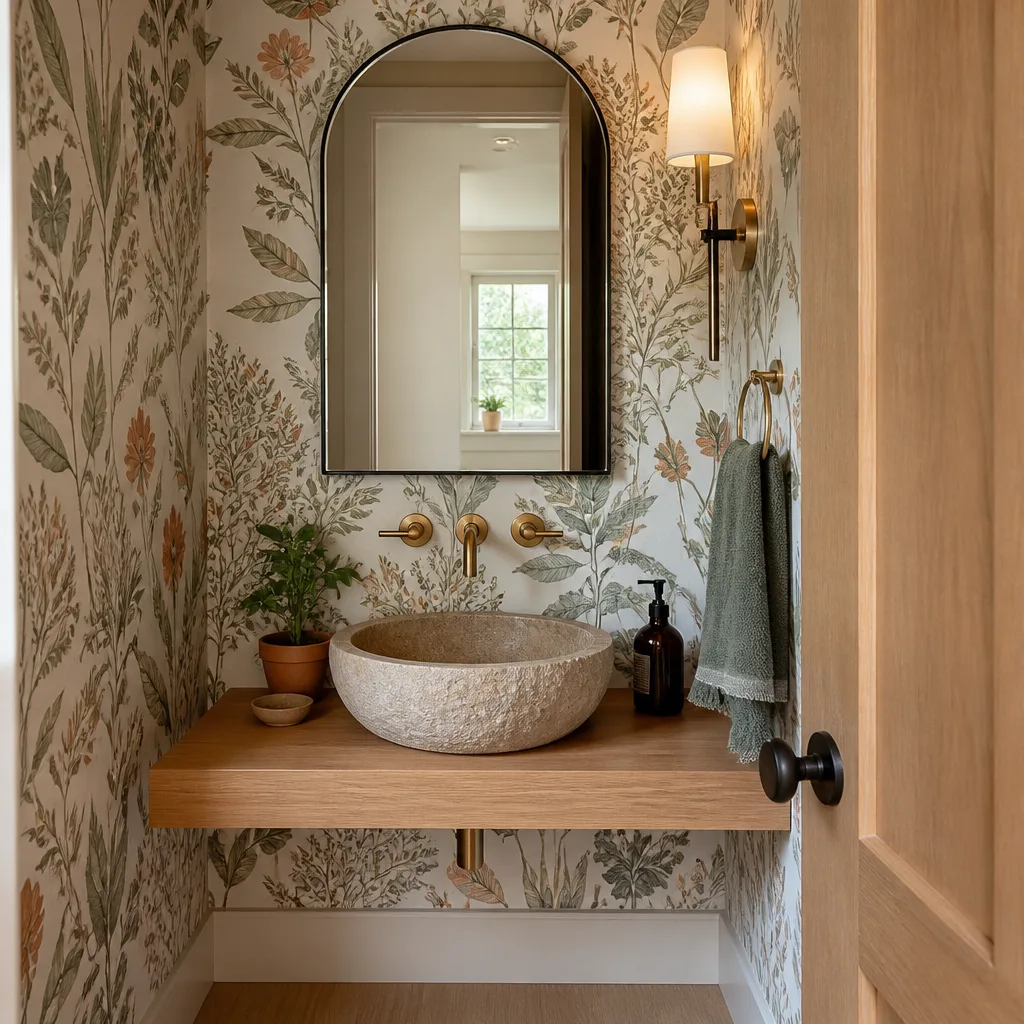
For Long Beach homeowners, a full addition runs $45,000 – $130,000 installed. An ADU construction project runs $90,000 – $220,000, depending on whether you’re building detached or attached, whether sewer and electrical service need upgrades, and how far the foundation has to be engineered. Here’s the line-item breakdown:
- Addition build (site prep, foundation, framing, roofing, exterior): $45,000 – $130,000
- ADU construction (detached, full finish): $90,000 – $220,000
- Garage conversion to living space: $30,000 – $80,000
- Foundation repair before addition work begins: typically $8,000 – $25,000 depending on scope
- Seismic retrofit at tie-in (older homes, required by Long Beach code): $5,000 – $15,000
Every quote includes the same things: a written price before work starts, the permit fees itemized, the materials named by brand, and a 365-Day Done Right Promise that covers the finished project. If a structural repair isn’t done right after the job is complete, we make it right. That’s not a line item you can add or remove; it’s stamped on every project we do in Long Beach.
DIY or Call Us?
You can safely check a few things yourself: look at the tie-in line for visible cracking, test doors for square, and note whether any floor areas bounce. What you should not do is open up a wall to inspect framing, attempt any foundation work, or modify anything structural. A failed tie-in, a shifted sill plate, or a compromised shear wall is a real structural hazard, and the danger isn’t theoretical. Long Beach has seismic requirements for a reason. When a load-bearing wall gets opened improperly, the risk is not just to the room; it’s to the people standing under the roof it was holding.
If you’re seeing any of the signs above, call (562) 512-7086. We’ll send a technician who knows the difference between a cosmetic crack and a structural one, and who will tell you which one you have without trying to sell you the bigger job. The estimate is free, and the written price comes before any work begins.
FAQs
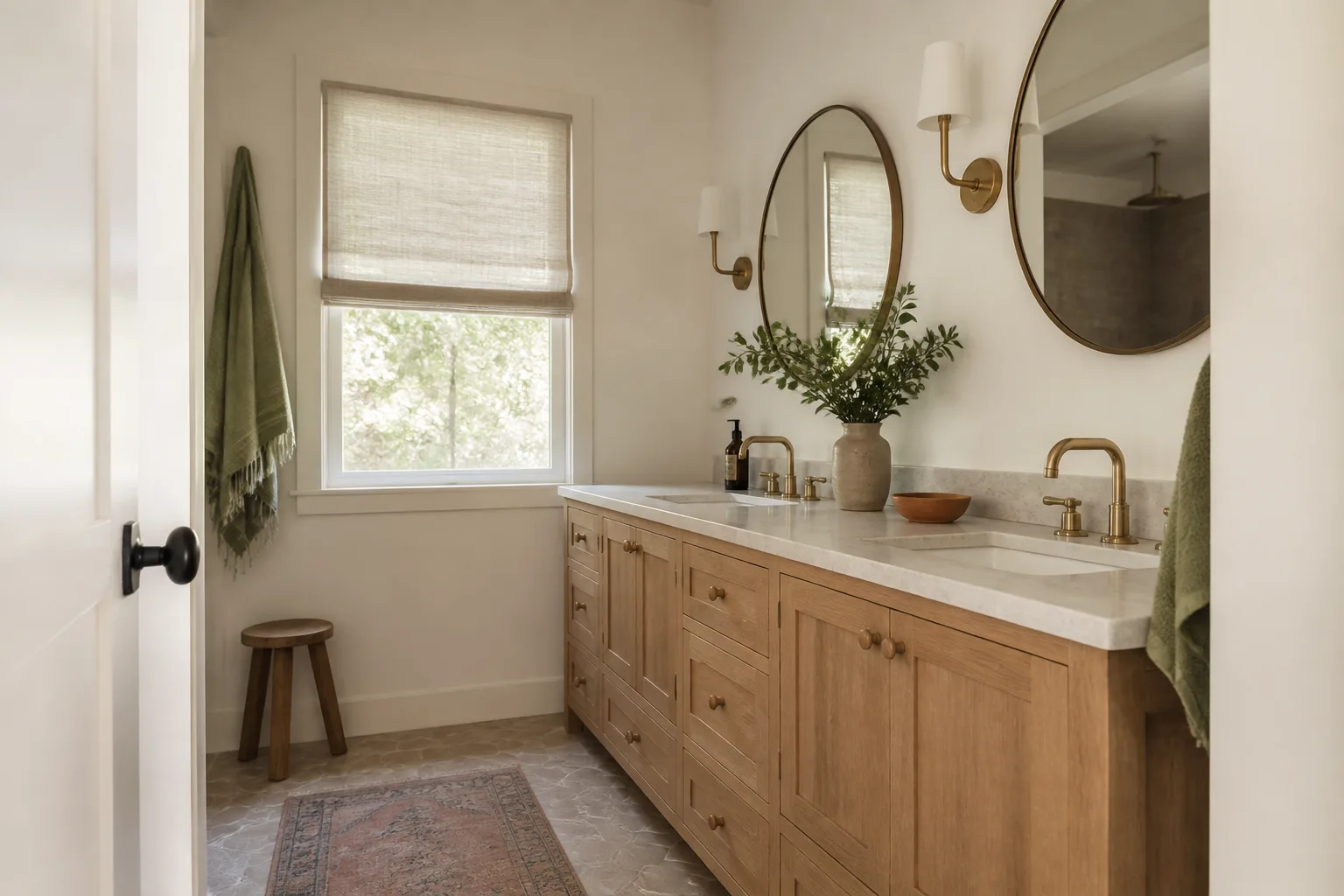
A properly built Sterling addition or ADU in Long Beach should last 50 – 80 years before needing major structural work, but the tie-in and foundation are the vulnerable points in our climate. Clay soil movement, marine moisture, and seismic activity all shorten the lifespan, which is why the original build quality of the tie-in matters more than the framing above it.
Yes, in most cases a failing tie-in or settled foundation can be repaired with helical piers, epoxy injection, or structural fasteners rather than a full tear-out. The right answer depends on how far the settlement has progressed, which is something we confirm with a site visit before any repair quote is written.
For a standard addition in Long Beach, plan on 8 – 16 weeks from first permit drawing to final inspection. An ADU runs 4 – 8 months depending on scope and city plan-check turnaround. We keep the same two-person crew on the job from the first day to the last, so the schedule I write down is the schedule we actually follow.
We keep structural framing hardware, shear wall panels, and common tie-in connectors in our Long Beach inventory, and we source everything else by brand name from suppliers we’ve worked with for years, including materials from James Hardie, KraftMaid, and Cambria when the project calls for them. If a specific part needs to be ordered, we tell you the lead time in the written estimate. Call (562) 512-7086 for details on your project.
Written by Graham Stein, Owner, Elmstead Remodeling Long Beach at Elmstead Remodeling Long Beach, serving Long Beach and nearby areas.


